



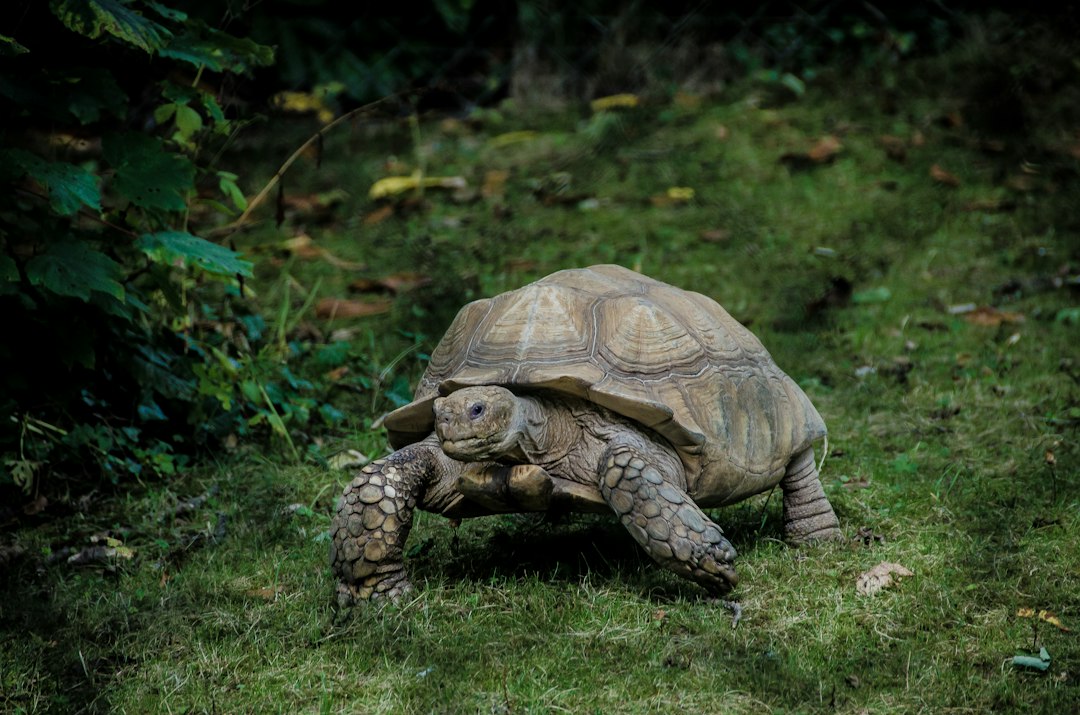
Choosing the Best Basking Light for Terrapins
A healthy terrapin setup needs more than clean water and a place to swim. Your terrapin also needs a warm, dry basking area where it can climb out, regulate body temperature, dry its shell, and receive the right kind of light. Choosing the right terrapin basking light helps make that possible, but the best option depends on heat output, UVB needs, tank size, safety, and how your basking platform is arranged.
For many keepers, the confusing part is knowing whether they need a heat lamp, a UVB lamp, or a combined bulb. This guide explains what each type does, what to look for in a turtle basking lamp, and how to set up a basking zone that is practical, safe, and comfortable for your terrapin.
What does a terrapin basking light actually do?
A terrapin basking light creates a warm, bright area above the dry platform where your terrapin can leave the water and heat its body. Because terrapins are ectothermic, they rely on their environment to help regulate body temperature rather than producing steady internal heat like mammals do. A well-positioned basking light supports normal daily behaviour, encourages drying of the shell and skin, and helps create a natural day-night rhythm.
It is useful to separate “basking light” into two jobs: heat and ultraviolet exposure. Some lamps mainly provide warmth. Others provide UVB, which supports vitamin D3 production and calcium metabolism. A few specialist bulbs provide both heat and UVB, but they still need to be used carefully and at the correct distance.
A basking area should feel like a distinct warm zone, not just a slightly brighter corner of the tank. Your terrapin should be able to climb fully out of the water, dry off, warm up, and then return to the water whenever it wants. That freedom to move between warm, dry land and cooler water is what makes the setup work.

Heat, UVB, and visible light all matter
A standard reptile basking bulb is usually designed to produce heat and visible light. This is the bulb that creates the warm spot over the basking dock. In many terrapin setups, this heat source is paired with a separate UVB bulb or tube, because heat alone does not replace ultraviolet exposure.
UVB lighting is especially important for indoor terrapins that do not receive safe, regular access to natural sunlight. Without appropriate UVB or a suitable veterinary-approved alternative, reptiles can struggle to use calcium properly. Over time, poor lighting, poor diet, or both can contribute to shell and bone problems.
Visible light also has a role. A bright daytime environment helps signal when it is active time and when it is rest time. Terrapins should not have bright white basking lamps running all night. At night, they need darkness or a very low-disturbance environment so they can rest normally.
The three lighting functions to understand
- Heat: Creates the warm basking spot so the terrapin can raise its body temperature after swimming.
- UVB: Supports vitamin D3 production and calcium use when supplied at the right strength and distance.
- Daylight: Helps maintain a natural day-night cycle and makes the enclosure easier for the terrapin to navigate.
The best terrapin basking light setup usually covers all three functions without overheating the enclosure or forcing the animal to stay too close to the bulb.
Which type of turtle basking lamp is best?
The best turtle basking lamp is the one that provides a stable basking temperature, suits your enclosure size, and can be mounted safely above a fully dry platform. For many home aquariums, a separate heat basking bulb plus a separate UVB light is the most flexible arrangement. Combined heat and UVB bulbs can work in some larger setups, but they may be too intense or awkward to position in small tanks.
There is no single bulb that is automatically best for every terrapin. A juvenile in a smaller indoor aquarium may need a different wattage and mounting height than an adult in a large tank with an above-tank basking area. The goal is not to buy the strongest bulb; the goal is to create the right conditions at the surface where the terrapin actually basks.
Common basking light options
|
Lamp type |
Main purpose |
Best used for |
Important note |
|---|---|---|---|
|
Reptile basking bulb |
Heat and visible light |
Creating a warm daytime basking spot |
Usually needs separate UVB support |
|
Halogen basking bulb |
Focused heat and bright light |
Efficient basking zones with good control |
Can get very hot, so measure carefully |
|
UVB tube or compact bulb |
UVB exposure |
Supporting calcium metabolism indoors |
Must be placed at the recommended distance |
|
Mercury vapour bulb |
Heat, light, and UVB |
Larger enclosures with enough height |
Often too strong for small or low setups |
|
Ceramic heat emitter |
Heat without light |
Specific supplemental heat situations |
Not a replacement for daytime light or UVB |
A simple setup can still be excellent if it is measured and maintained properly. A basic reptile basking bulb in a safe dome fixture, combined with an appropriate UVB source, often gives keepers better control than one powerful all-in-one lamp.
Basking temperature is more important than wattage
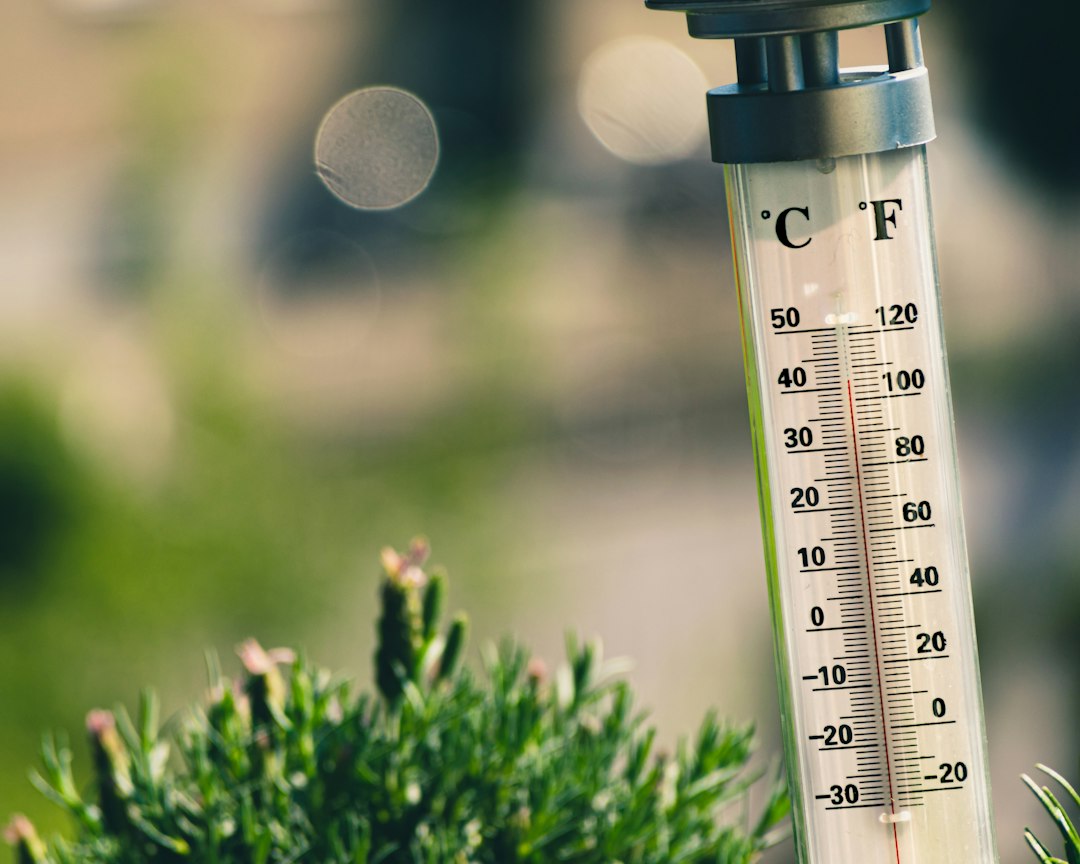
Wattage tells you how much power a bulb uses, not the exact temperature your terrapin will experience. The same bulb can produce different basking temperatures depending on room temperature, fixture design, mounting height, ventilation, and the colour or material of the basking platform. That is why a thermometer is not optional.
Use a digital thermometer with a probe or an infrared temperature gun to check the surface of the basking area. You are measuring the spot where the terrapin’s shell and body will be, not the air several inches away. If the surface is too cool, your terrapin may avoid basking or fail to warm up properly. If it is too hot, it may become stressed or risk burns.
Many terrapin species do well with a warm basking area and cooler surrounding water, but exact needs vary by species, age, health, and enclosure. If you are unsure of your terrapin’s ideal range, use a reputable species-specific care guide or ask a reptile veterinarian. Avoid copying a random setup without checking whether the animal, tank, and distances are similar to yours.
How to adjust basking temperature safely
- Measure the basking surface first. Do this after the lamp has been on long enough to reach a stable temperature.
- Adjust lamp height before changing bulbs. Moving the lamp slightly higher or lower can make a meaningful difference.
- Change wattage only when needed. If height adjustments do not work, choose a lower or higher wattage bulb.
- Check multiple points on the platform. A slight temperature gradient lets your terrapin choose the most comfortable spot.
- Recheck after room temperature changes. Seasonal heating, air conditioning, and direct sunlight can affect the enclosure.
The safest basking zones are not guessed; they are tested. Once you find the right setup, keep monitoring it as bulbs age and household conditions change.
The basking platform must work with the light
A good lamp cannot fix a poor basking area. Your terrapin needs a platform that is easy to climb, fully dry on top, stable under its weight, and large enough for the animal to rest completely out of the water. If the platform wobbles, stays wet, or is difficult to access, the terrapin may avoid it even when the lighting is correct.
The platform also determines how close the terrapin gets to the bulb. A dock that floats higher than expected may put the shell too close to the heat source. A platform that sinks slightly under the terrapin’s weight may sit too low and fail to warm properly. For this reason, always measure conditions with the platform in its normal position.
Texture matters as well. Terrapins need traction, but the surface should not be sharp or abrasive. A dry, secure basking area encourages natural climbing and resting behaviour, while reducing the risk of slips and stress.
A practical basking zone checklist
Before deciding your turtle basking lamp is working well, check the whole basking area:
- The terrapin can climb onto the platform without struggling.
- The top surface dries between uses.
- The platform is large enough for the whole body and shell.
- The lamp is mounted securely and cannot fall into the water.
- The measured basking surface temperature is appropriate for the species.
- The terrapin can move away from the heat whenever it wants.
- UVB reaches the basking area without being blocked by glass or solid plastic.
- Electrical cords are kept away from splashes and chewing.
If one of these points fails, improve the setup before assuming the bulb itself is the problem.
Do terrapins need UVB as well as a heat lamp?
Yes, most indoor terrapins need appropriate UVB lighting as well as a heat source, unless they receive carefully managed natural sunlight or have a veterinary-directed alternative. A heat bulb helps your terrapin warm up, but it does not automatically provide the UVB wavelengths needed for vitamin D3 production. That is why many keepers use both a reptile basking bulb for warmth and a dedicated UVB lamp for ultraviolet exposure.
UVB bulbs are not all the same. They come in different strengths, shapes, and recommended distances. A long UVB tube often spreads light more evenly across the basking area, while compact bulbs can be useful in some smaller setups if positioned correctly. The right choice depends on enclosure height, fixture type, mesh screens, and the species being kept.
Glass and many plastics block UVB, so placing a UVB bulb outside a glass lid usually defeats the purpose. Mesh can also reduce UVB depending on its density. Always follow the bulb manufacturer’s distance and replacement guidance, and remember that UVB output declines over time even if the bulb still lights up.
Safety comes before brightness
Basking lights involve heat, electricity, water, and a curious animal. That combination deserves careful setup. A secure lamp holder, splash awareness, and proper distance are just as important as the bulb you buy.
Use fixtures rated for the wattage and heat of the bulb. Ceramic sockets are commonly used for heat lamps because they tolerate high temperatures better than flimsy plastic fittings. Clamp lamps should be secured so they cannot shift, fall, or be knocked into the tank. If possible, use a stand or fixed mounting system rather than relying only on a clamp.
Keep the bulb out of reach. Terrapins can stretch, climb, and surprise you, especially when decor or platforms give them extra height. Direct contact with a hot bulb can cause serious burns. Water splashing onto a hot bulb can also create a breakage risk, so avoid positioning the lamp where it is likely to be sprayed constantly.
Warning signs that your setup needs adjustment
Watch your terrapin’s behaviour after installing or changing a terrapin basking light. Possible signs of a problem include:
- Avoiding the basking area completely.
- Spending excessive time under the lamp without returning to the water.
- Gaping, frantic movement, or repeated attempts to escape the heat.
- Remaining in the water all day despite an accessible platform.
- Redness, unusual shell changes, lethargy, or loss of appetite.
These signs do not always point to lighting alone. Water temperature, water quality, illness, stress, diet, and tank layout can all affect behaviour. If symptoms persist or your terrapin seems unwell, contact a reptile veterinarian.
Bulb placement makes or breaks the setup
Even a high-quality bulb can perform poorly if it is placed incorrectly. The light should shine directly over the basking platform, not at a steep angle from across the room. A direct overhead position creates a clearer warm zone and helps the terrapin bask evenly.
Distance is equally important. Too close, and the bulb may overheat the shell or deliver excessive UVB if it is a UV-producing lamp. Too far away, and the basking area may stay too cool or receive too little UVB. This is why manufacturer distance guidance and your own temperature readings must work together.
Try to create a gradient rather than one harsh hot spot. The centre of the platform can be the warmest area, while the edges are slightly cooler. This gives the terrapin choice, which is one of the most important principles in reptile care.
Day-night cycles keep the routine natural
Terrapins should have a consistent daily light cycle. Most keepers use a timer so the basking and UVB lights switch on and off at the same time each day. This avoids accidental all-night lighting and makes the routine easier to maintain.
Bright basking lamps should not be left on continuously. Constant light can interfere with rest, while constant heat can remove the normal day-night temperature pattern. If your room becomes too cold at night, solve that separately with safe environmental heating rather than leaving a white basking bulb on around the clock.
A timer also helps prevent human error. It is easy to forget lights during busy mornings or evenings, and inconsistent lighting can affect behaviour. Once the lamp distance and temperatures are correct, automation helps keep the setup stable.
Maintenance is part of choosing the right bulb
The best terrapin basking light is not just the one that works on day one. It should be easy to replace, easy to position, and compatible with fixtures you can safely maintain. If a bulb is difficult to source or requires an awkward mounting arrangement, it may not be the most practical choice long term.
Heat bulbs can burn out suddenly, so it is sensible to keep a spare. UVB bulbs need scheduled replacement because their useful ultraviolet output declines before the visible light necessarily fails. Write the installation date on the bulb box, fixture label, or care calendar so you are not guessing months later.
Clean fixtures and nearby surfaces carefully when the lamp is off and cool. Dust, mineral deposits, and water marks can reduce performance or create avoidable hazards. Do not spray cleaners near bulbs, sockets, or the tank while electrical equipment is plugged in.
Choosing with confidence
When comparing basking lights, avoid choosing based on packaging claims alone. Think in terms of the conditions your terrapin will actually experience on the basking platform. A modest bulb at the right distance is better than a powerful lamp that overheats the dock or cannot be mounted safely.
Use this simple buying framework:
- Identify the job. Do you need heat, UVB, or both?
- Check your enclosure size. Small tanks and low lids limit safe bulb choices.
- Match the fixture. The socket and dome must be rated for the bulb type and wattage.
- Plan the distance. Confirm that the recommended distance fits your setup.
- Measure the result. Buy or use a reliable thermometer before judging performance.
- Observe your terrapin. Behaviour helps confirm whether the setup is comfortable.
A terrapin basking light is not a decorative accessory. It is part of the habitat system, working alongside water temperature, filtration, diet, space, and enrichment. When those pieces support each other, your terrapin has more opportunity to behave naturally and stay comfortable.
Final takeaway
Choosing the right basking light starts with understanding what your terrapin needs: a warm dry platform, appropriate UVB exposure, safe equipment, and freedom to move between temperature zones. A reptile basking bulb can provide essential heat, but it may need to be paired with a proper UVB source to create a complete indoor setup.
Measure instead of guessing, follow bulb distance guidance, and watch how your terrapin uses the basking area. If the platform is accessible, the lamp is secure, and the temperature is right, you will have a basking zone that supports everyday health rather than simply lighting the tank.

De Talis Us


Dejar un comentario
Este sitio está protegido por hCaptcha y se aplican la Política de privacidad de hCaptcha y los Términos del servicio.