


Can't Buy Queen Ants Online? Here's How to Catch Your Own
Searching for "where to buy queen ants online" usually leads to a dead end. Restrictive regulations, limited availability, and the fragility of shipping live insects mean most shops simply won't sell them. Even when a seller appears, the risk that a stressed queen arrives dead or fails to start a colony can turn the purchase into an expensive disappointment.
That's why many ant keepers skip the online hunt entirely. Catching your own queen ant is free, legal in most places, and gives you a front-row seat to the entire colony life cycle. The effort takes patience, but the payoff is a colony that began under your care from day one.
The Challenge of Buying Queen Ants Online
Purchasing a queen ant across state or national borders is often blocked by agricultural laws designed to prevent the spread of invasive species. Hobbyist forums are filled with stories of packages confiscated or shipments that never arrive. Some vendors may only sell to authorized researchers or within specific regions, leaving a casual ant keeper with few options.
The shipping itself is a gamble. A queen ant in a test tube can overheat, get shaken, or run out of moisture. Even a seemingly healthy arrival doesn't guarantee success—colony founders often die from stress or hidden injury during transit. This combination of legal hurdles and low survival odds makes the online route more frustrating than it's worth for many.
Why Catching Your Own Queen Ant is a Better Approach
Collecting a queen locally sidesteps the shipping problem entirely. It costs nothing and lets you observe the very beginning of colony life: the first eggs, the first workers, and the slow expansion of a nest. There's a deeper satisfaction in knowing you found the queen yourself.
The two main strategies diverge sharply in effort and timing. Waiting for a queen after a nuptial flight is more sustainable and requires little equipment, but you have to be in the right place at the right time. Digging up an existing nest, on the other hand, is sweaty work that demands a shovel and patience, but you can try it almost any day the ground is soft. Neither method guarantees success, and both require checking local regulations before you start, but they give you a far better shot than a questionable online order.
How to Identify a Queen Ant
A magnifying glass helps, but the real trick is knowing what to look for. Most ant species follow a pattern: the queen is built differently from the workers and males you normally see. The wikiHow guide on identifying queen ants outlines the key physical signs, though some species—like army ants—break the rules.
Look at the Thorax and Overall Size
A queen's thorax is usually larger and bulkier, making up more than half of her body size. Workers have a smaller, flatter thorax, while males are slender and wasp-like. Size alone can mislead, because some worker ants in species like carpenter ants or fire ants vary considerably, but the thorax difference is a reliable marker. If the ant has a robust, muscular-looking midsection, you're likely looking at a queen.
Check for Wings or Wing Scars
Winged ants are alates—unmated queens and males. A mated queen eventually sheds her wings, leaving visible wing scars on her thorax. Compare a winged queen to a male: the male is thin and delicate, while the queen is larger and sturdier. A wingless ant with a bulky thorax and those telltale scars is almost certainly a queen who has already mated and is ready to dig.
Observe Behavior and Location
Queens are rarely seen foraging; they stay deep in the nest. If you find an ant in a nesting area that looks different and is larger than the others, it might be the queen. But be careful—disturbing a nest can provoke biting, and some people are allergic to stinging ants. Army ant queens are especially tricky because they look similar to workers, with smaller thoraxes, so location and behavior may be your only clues in that case.
Two Methods for Catching a Queen Ant: Patience vs. Shovel
Both approaches require timing and effort, but your choice depends on whether you'd rather wait for the right weather or start digging. No matter which method you pick, never mix colonies—catch only one queen per setup.
Method 1: Catch a Queen After a Nuptial Flight
After a rain on a warm day, winged queens take flight to mate and then land to start new colonies. This often happens in spring and summer, especially in the evening. A mated queen will wander alone, having shed her wings, looking for a place to dig. Spotting one on a sidewalk or in a garden is a matter of luck and patience.
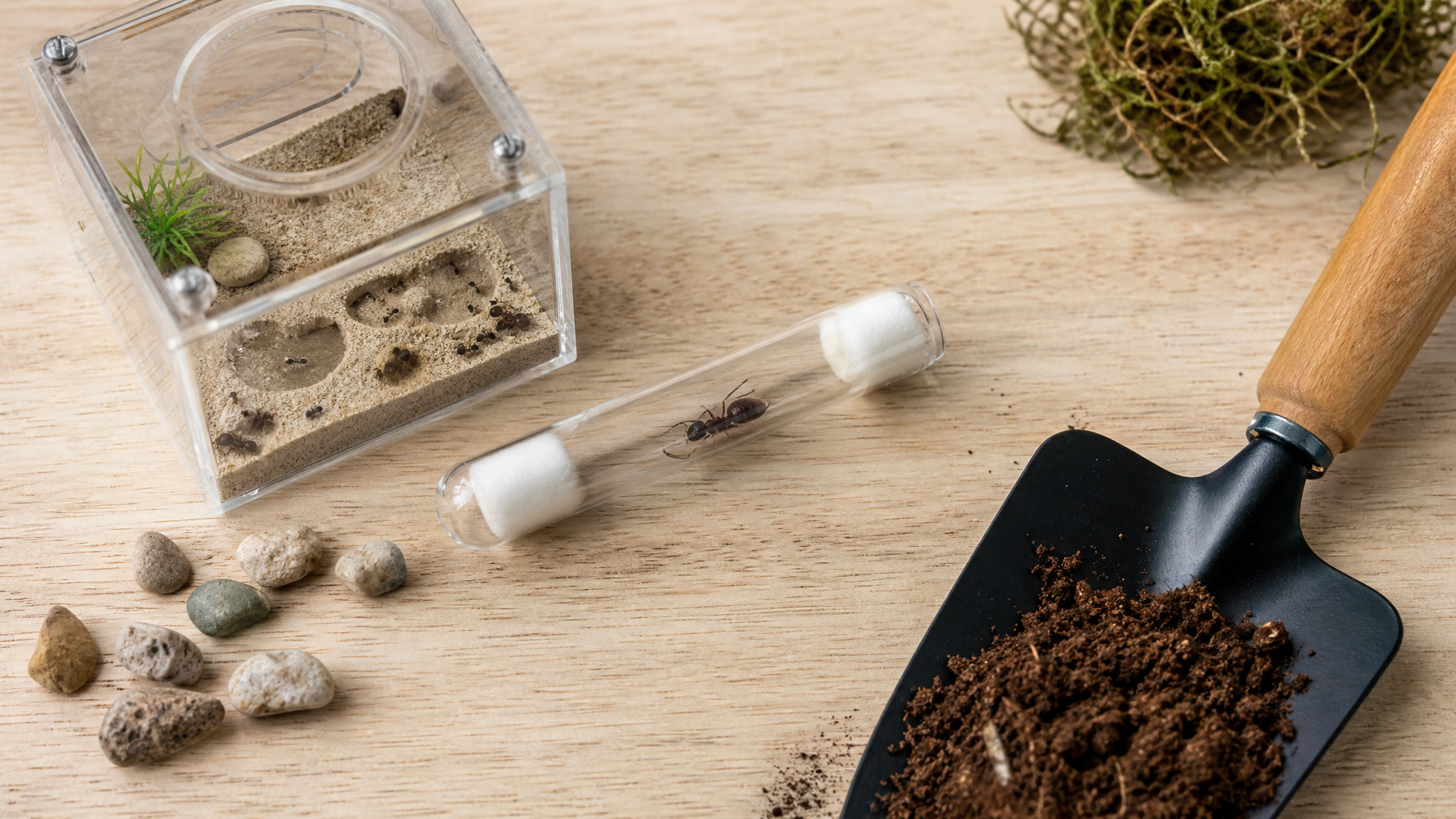
To collect her, gently coax the queen into a container. A film canister or small jar works. Then transfer her to a test tube setup: fill a test tube halfway with water, push in a damp cotton ball to seal the water, and leave a dry area for the queen. The wikiHow guide on catching queen ants recommends this method as less disruptive to existing nests. The downside is that you can't force a nuptial flight—you have to be ready when it happens.
Method 2: Dig Up an Existing Nest
For those willing to get their hands dirty, digging into a nest can yield a queen directly. This method is painstaking and often takes many tries. Start by identifying a mound. Use a shovel to dig a 6-8 inch radius trench around the mound, then carefully lift the soil into 5-gallon buckets. Sort through the dirt with your hands, looking for the queen among the frantic ants.
The queen is often deep within the nest, especially in mature colonies, so shallow digging may only uncover workers. Ants may bite if they feel threatened, so wear gloves and work slowly. The risk of accidentally killing the queen is real—a spade can crush her. Once you find her, place her immediately into a test tube setup with water and a damp cotton ball. This approach demands more labor but can be done any time the ground isn't frozen, making it a viable option outside of nuptial flight season.
After the Catch: Starting Your New Ant Colony
A newly caught queen needs a safe, simple space to lay eggs and raise her first workers. The classic test tube setup—test tube filled halfway with water, sealed with a damp cotton ball—keeps her hydrated and offers a dark, enclosed chamber. Keep the tube in a quiet, dark place and resist the urge to check on her for several weeks. Disturbance can cause her to eat her eggs.
The ANTCUBE Starter Set: A Ready-Made Habitat
Once the first workers arrive, many keepers transfer the colony to a larger home. The ANTCUBE Starter Set for Harvester Ants – L – Popcorn is a complete formicarium with a nesting area and an outworld, suitable for harvester ants and many other species. Its clear walls let you watch colony growth without disturbing the ants. This isn't the only option, but it provides a convenient step up from the test tube, with enough space for a young colony to expand.
Basic Care for the First Few Weeks
During the initial weeks, the queen needs minimal disturbance and a dark, quiet place to settle. After the first workers emerge, you can offer tiny amounts of sugar water and protein, like a small piece of insect. Keep the colony contained—never introduce another queen or workers from a different colony, as they will fight. Some queens fail to start a colony despite all the right conditions, but if she survives those first fragile weeks, you've given her the best possible start.
FAQs About Catching Queen Ants
How do I know if I've caught a mated queen?
A mated queen often has shed her wings and will have visible wing scars on her thorax. She may look slightly bedraggled from digging, a sign she's ready to found a nest.
Can I catch a queen ant at any time of year?
Nuptial flights mostly occur in warmer months, but you can try digging any time the ground isn't frozen. Winter digging is rarely productive because the colony is deep underground and inactive.
Is it legal to catch queen ants?
Generally yes, but regulations can vary by region. Always check local laws before collecting, especially if you plan to transport a queen across state lines or keep a regulated species.

De Talis Us


Dejar un comentario
Este sitio está protegido por hCaptcha y se aplican la Política de privacidad de hCaptcha y los Términos del servicio.