


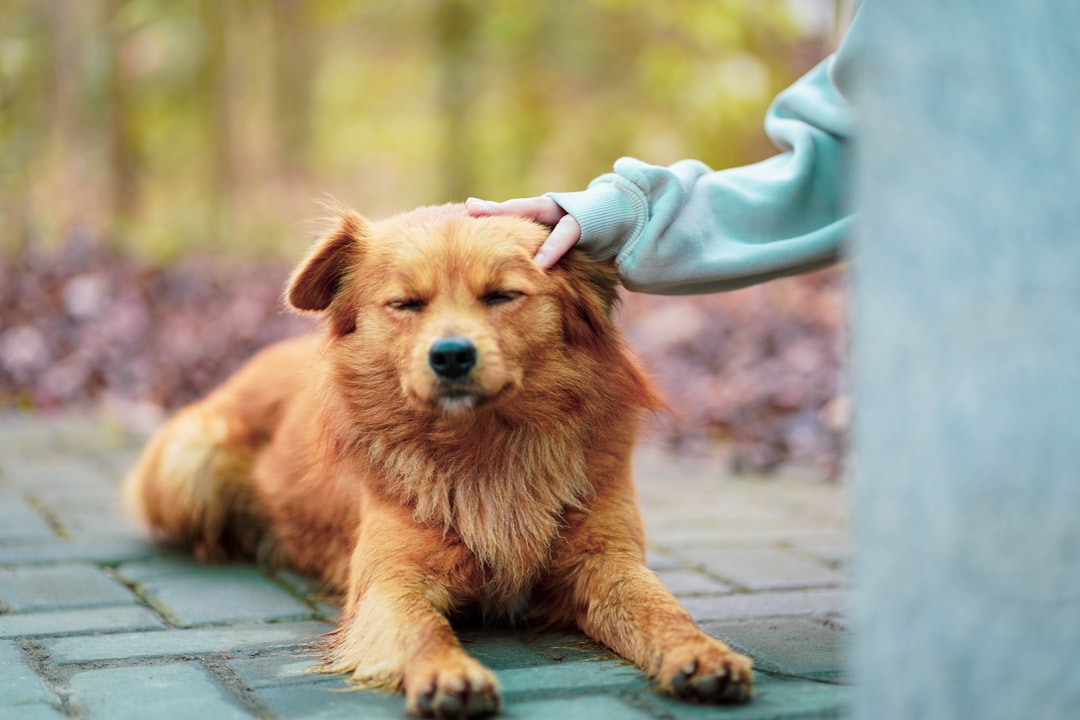
Calming & Anxiety Solutions for Pets: Effective Techniques
Effective Calming Techniques for Anxious Pets
The clouds turn gray, a low rumble of thunder echoes through the living room, and suddenly, your dog is trembling uncontrollably under the coffee table. Watching a beloved companion shake in fear is heartbreaking, leaving many dedicated pet parents feeling entirely helpless. If you have ever stayed up late comforting a terrified cat or a pacing dog, you are not alone, and you are certainly doing your best for them.
Many pet owners initially mistake a nervous cat's sudden hiding or a dog's frantic barking for simple disobedience. According to veterinary behaviorists, these reactions are rarely behavioral flaws; they are actually physiological cries for help from a stressed nervous system. Embracing this symptom-to-science approach means recognizing that when your pet paces endlessly, their body is simply reacting to an overwhelming surge of panic they cannot control.
How do we bridge the gap between these chaotic, stressful moments and a peaceful household? The secret lies in setting realistic expectations, as true relief is about compassionate management rather than a magical overnight cure. Whether you are dealing with everyday triggers like fireworks or seeking effective behavior modification for rescue pets, understanding their underlying emotional state is the critical foundation for lasting progress.
Navigating these challenges requires the right tools and a gentle approach. By exploring practical, proven calming solutions, you will discover ways to turn down the volume on your pet's fears. Your furry best friend deserves to feel as safe as you do, and this guide will help you both find that tranquility.

Subtle Signs You're Missing: Identifying Stress in Dogs and Cats Before the Shaking Starts
Many of us easily recognize a trembling dog or a cat darting under the bed. However, your companion's nervous system usually sends out quieter cries for help long before full-blown panic sets in. By mastering the art of pet observation, you can catch "micro-signals"—tiny, fleeting changes in body language—and intervene early.
Paying attention to daily habits reveals a hidden language of stress. Keep an eye out for this checklist of subtle indicators:
- Lip licking: Frequently flicking the tongue when no food is present.
- Whale eye: Showing the whites of their eyes while turning their head away, signaling extreme discomfort.
- Yawning: Exaggerated yawns when they aren't actually tired.
- Pacing: An inability to settle into a comfortable spot.
- Excessive grooming: Suddenly focusing intensely on licking one paw or patch of fur.
Life stage and species also dictate how these clues appear. While a younger pup might pace, common signs of stress in senior dogs often look like sudden clinginess, confusion, or stiffness, as aging senses make their environment feel less predictable. Feline stress is notoriously quiet in comparison; recognizing these subtle expressions is the crucial first step in learning how to soothe cat separation anxiety at home before they resort to destructive scratching or crying.
Catching these early warnings gives you a valuable head start on providing comfort. Once you know exactly what your pet is feeling, you can begin to gently dial down their anxiety using targeted support.
The Science of the 'Volume Knob': How Calming Chews and Supplements Quiet the Noise
Watching your pet pace the floor makes you desperate for a quick fix, but nobody wants a sedated companion. Think of their anxiety like a radio playing too loud. Instead of turning the power off completely, organic non-sedating calming chews for pets work like a volume knob. They gently dial down nervous energy, allowing your pet to process their environment calmly while keeping their unique personality fully intact.
The duration of your pet's worry dictates your next step in finding relief. For animals battling constant, daily tension, science points to the "gut-brain axis"—a powerful communication line between their digestive system and their mind. Daily probiotics, like purina calming care for cats and dogs, balance stomach bacteria to build long-term emotional resilience from the inside out. Conversely, if thunder or houseguests are the only triggers, fast-acting, situational calming supplements for cats and dogs make much more sense.
Targeted active ingredients provide rapid relief during those acute spikes in panic. Knowing exactly what's inside the treat helps you customize their care:
- L-Theanine: An amino acid found in green tea; L-theanine benefits for small animal stress include easing mental tension and increasing focus without causing drowsiness.
- Melatonin: A naturally occurring hormone signaling that it's time to rest; exploring safe melatonin use for pet sleep anxiety is ideal for dogs or cats who pace all night.
- Chamomile: A gentle, traditional herb that naturally relaxes tense muscles.
To get the best results, always align the solution with the specific stressful event. If your feline notoriously hates the carrier, offering situational calming chews for cats thirty minutes before a vet visit provides a crucial temporary buffer against fear.
Even with excellent internal support, severely anxious pets sometimes need environmental reinforcement. When treats aren't quite enough to transform a stressful room into a sanctuary, introducing invisible messages of safety provides a vital secondary layer of comfort.
Invisible Messages of Safety: Pheromone Diffusers vs. Essential Oil Sprays
You already know that a familiar scent can instantly soothe a nervous mind, but for our pets, the power of smell goes much deeper.
When a mother nurses her young, she releases invisible chemical markers called pheromones that tell her babies, "You are safe here." Synthetic pheromones recreate this maternal mimicry, acting like scented Post-it notes of reassurance that only your pet's nervous system can read, instantly dialing down their environmental stress.
Choosing between calming pheromone diffusers vs essential oil sprays depends entirely on your pet's daily routine and specific triggers. A plug-in diffuser provides a constant, invisible blanket of comfort, making it the perfect foundation for pets battling general, everyday anxiety in specific rooms. On the other hand, quick-acting sprays deliver targeted relief exactly when and where it is needed, such as misting a travel carrier before a dreaded vet visit or lightly spritzing a dog bed right before a thunderstorm hits.
Multi-pet households often require an additional layer of support, especially when underlying tension turns into turf wars. If invisible scent signals aren't quite enough to stop the hissing or resource guarding, homeopathic calming drops for territorial cats offer a complementary internal solution. By seamlessly adding these gentle drops to their communal water bowls, you can soothe the behavioral triggers that cause friction, naturally encouraging harmony without resorting to heavy medications.
Scent-based solutions do an incredible job of setting the stage for a peaceful home, but sometimes your pet's anxiety manifests as sheer physical restlessness. When calming the air they breathe isn't enough to settle their trembling bodies or stop their frantic movements, adding a layer of tactile comfort can make all the difference.

Wearable Calm: Why Weighted Vests and Enrichment Toys Stop the Pacing
When pheromones aren't quite enough to stop frantic pacing or relentless digging, your pet's nervous system may crave a physical anchor. Think of deep pressure therapy like a firm, reassuring hug. The benefits of weighted anxiety vests for dogs stem directly from this concept; wrapping your pet in a snug layer of pressure tells their body to turn down the panic volume. For maximum effectiveness, ensure the vest fits closely around the chest like a gentle swaddle, never a restrictive corset.
Younger companions often need a different kind of tactile reassurance to feel secure. If you are seeking thunderstorm fear relief for nervous puppies, calming stuffed animals that mimic a mother's heartbeat provide incredible comfort. Choosing a plush object with a pulsing module gives them a tangible safe space to curl up against when the skies rumble.
Sometimes anxiety looks less like trembling and more like destructive chewing. To redirect this channeled energy, try these top 3 physical tools for immediate anxiety relief:
- Weighted Vests: Delivers deep pressure to gently ground a panicked pet.
- Snuggle Toys: Offers heartbeat comfort for vulnerable young pets.
- Puzzle Feeders: Leverages enrichment toys for anxious high-energy breeds to tire out their brains and prevent boredom-induced destruction.
Mastering these tactile solutions creates a powerful foundation for everyday peace in your home. Now that you can support their bodies during general stress, you can proactively tackle extreme spikes in panic during life's most disruptive events.
From Fireworks Phobia to Car Ride Bliss: Specific Solutions for High-Stress Events
The dreaded Fourth of July pops or the sight of a travel carrier can instantly turn a peaceful afternoon chaotic. Waiting until your pet is already trembling makes soothing them incredibly difficult. Instead, proactive timing acts as an invisible shield of calm, preventing the panic fire before it ever sparks.
Sudden, booming noises require internal support to safely take the edge off. When seeking the best herbal remedies for pet fireworks phobia, look for gentle ingredients like chamomile or L-Theanine, which naturally turn down your pet's nervous system volume. Combining these soothing botanicals with the physical comfort of anxiety vests creates a powerful product synergy that tackles fear from the inside out.
Mastering the clock is exactly how you maximize this synergy. Follow this 'Stress-Event Timeline' to perfectly layer their support:
- 2 Hours Before: Serve calming cat food or a soothing dog meal to begin gentle nutrient absorption.
- 30 Minutes Before: Give fast-acting supplements, like calming cat treats, so relief peaks exactly as the stressful trigger begins.
- During the Event: Introduce an enrichment puzzle to keep their mind happily occupied and grounded.
Executing this proactive 3-step plan is the ultimate secret to managing car travel anxiety in dogs, transforming frantic panting into a smooth, quiet ride. Similarly, utilizing vet-approved relaxation aids for grooming visits—like pairing those herbal treats with a pheromone-sprayed carrier—can completely change how your pet handles buzzing clippers and unfamiliar spaces.
Conquering these acute triggers ensures your companion feels safe during life's loudest surprises. However, while vet trips and storms are temporary, being left alone is a daily reality for many pets. Restoring confidence to your departure routine ensures they feel secure even when you are away.
Overcoming Separation Anxiety: Homebound Strategies for Rescue Pets and Sensitive Breeds
The familiar jingle of keys or the zip of a winter coat can send a sensitive pet into a panic before you even reach the front door. These everyday noises act as "departure cues," signaling impending isolation. To break this cycle of fear, you can use a technique called desensitization—essentially teaching your pet that these sounds are harmless. By randomly jingling your keys while reading on the couch or putting on your shoes just to watch television, you slowly turn down the volume on their panic response.
Building on this foundational training requires creating a sanctuary where they actually enjoy their solo time. Figuring out how to soothe cat separation anxiety at home often comes down to pairing your absence with a high-value distraction. When stepping out, offer calming treats for cats hidden inside an interactive toy. Transitioning their daily meals to a specialized calming cat food also provides sustained, gentle support throughout the workday, transforming an empty house into a relaxing safe zone.
Combining these proactive dietary choices with gradual exposure training creates highly effective behavior modification for rescue pets carrying past trauma. Teaching an anxious companion to feel secure takes empathy and patience, but mastering these daily departure strategies builds lasting confidence and forms the foundation of a long-term anxiety toolkit.

Your Roadmap to a Relaxed Household: Building a Long-Term Anxiety Toolkit
You no longer have to watch helplessly as your dog trembles during a summer storm or your cat vanishes the moment guests arrive. You now possess the insight to read their subtle body language and confidently turn down the volume on their stress.
Transform this knowledge into immediate relief by starting small with The 'Peaceful Pet Checklist':
- Identify triggers: Pinpoint the exact environmental changes or situations that spark your pet's fear.
- Select 1-2 solutions: Choose a soothing ingestible chew, a comforting physical wrap, or an environmental pheromone diffuser to build your customized anxiety toolkit.
- Monitor and adjust: Keep a simple observation log to track their progress, noting what brings them the most comfort.
Navigating a sensitive nervous system takes patience, but every small adjustment builds a foundation of trust. By exploring carefully vetted calming and anxiety solutions, you take an active, empowering step toward a happier companion and transform your household into a peaceful sanctuary.

De Talis Us



Dejar un comentario
Este sitio está protegido por hCaptcha y se aplican la Política de privacidad de hCaptcha y los Términos del servicio.