


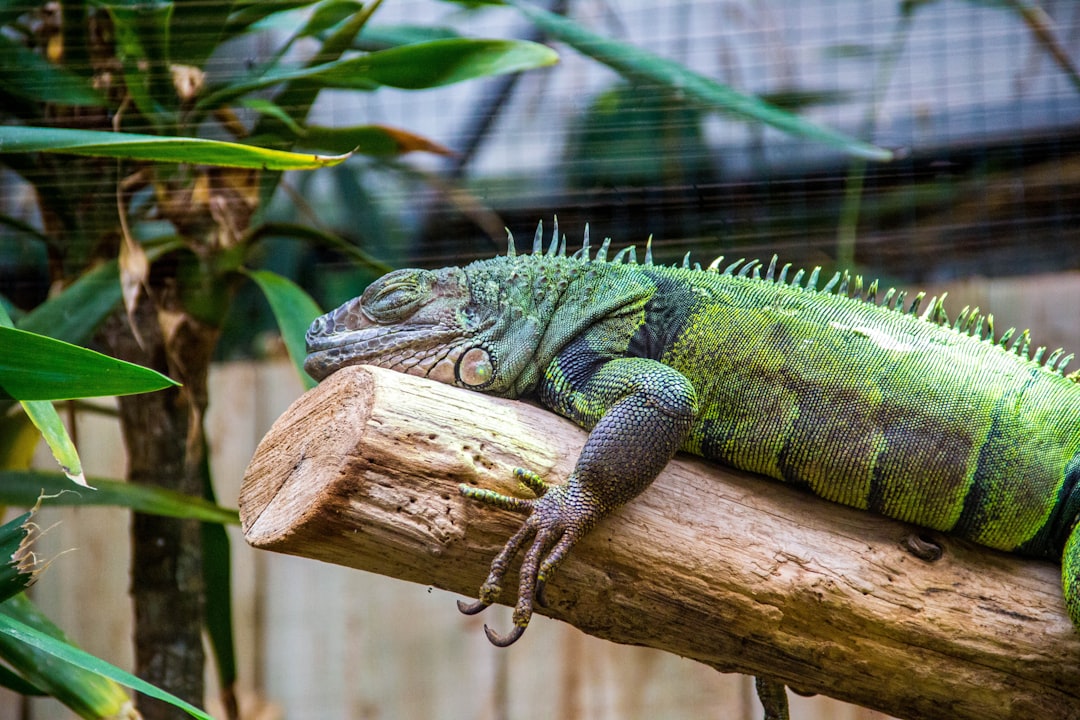
Buy Iguana Cage: The Ultimate Reptile Enclosure Guide
Essential Guide to Buying an Iguana Cage
Bringing an iguana into your home is like adopting a miniature dinosaur. These stunning, intelligent creatures are captivating, but they also come with a highly specific set of care requirements. The most important investment you will make for your scaly companion’s health, happiness, and longevity is their living space.
Before you rush to buy iguana cage setups online or at a local pet store, it is crucial to understand that an iguana’s environment dictates their overall well-being. A cramped, poorly lit, or improperly ventilated space can lead to stress and severe health issues.
Whether you are bringing home a tiny hatchling or upgrading your fully grown rescue, this comprehensive guide will walk you through everything you need to know to create the perfect reptile habitat.

Understanding Size: Bigger is Always Better
One of the most common mistakes new reptile owners make is underestimating just how massive an iguana will get. A cute, six-inch hatchling will rapidly grow into a five to six-foot-long giant.
Adult Iguana Enclosure Size Requirements
For a fully grown adult, standard glass terrariums simply will not cut it. The minimum adult iguana enclosure size requirements are typically 8 feet long, 4 feet deep, and 6 to 8 feet tall. Giving your pet ample room to turn around, stretch out completely, and regulate its body temperature is non-negotiable.
Vertical Space and Layout
Because iguanas spend the vast majority of their lives in the canopy of the rainforest, they naturally seek out high vantage points. Therefore, prioritizing a vertical arboreal lizard habitat design is essential. The enclosure must be taller than it is wide. Providing multiple levels, sturdy shelves, and towering structures will allow your iguana to climb, exercise, and feel secure high off the ground.
Location: Where Should Your Iguana Live?
Before purchasing or building an enclosure, you need to decide where it will go. This brings up the common debate of green iguana indoor vs outdoor housing.
Indoor Housing
Most iguana owners opt for indoor housing because it allows for complete control over the microclimate. You can meticulously regulate the temperature, humidity, and lighting, completely immune to the weather outside. However, an indoor setup requires dedicating a significant portion of a room—sometimes a whole room—to the enclosure.
Outdoor Housing
If you live in a tropical or subtropical climate (like South Florida or Hawaii), an outdoor enclosure can be incredibly beneficial. Natural, unfiltered sunlight is the best source of UV radiation, and fresh air is excellent for their immune systems. However, outdoor cages must be highly secure to protect against predators, escape attempts, and sudden drops in nighttime temperatures. Even if you choose an outdoor setup for the summer, you will still need an indoor space for the colder months.

Choosing the Right Enclosure Materials
When you set out to buy iguana cage setups, the materials you choose will impact humidity retention, heat loss, and the lifespan of the enclosure itself.
PVC vs Wood Reptile Enclosures
The two most popular materials for large custom habitats are PVC (polyvinyl chloride) and wood.
- PVC: When comparing PVC vs wood reptile enclosures, PVC is widely considered the superior choice for high-humidity environments. It is waterproof, rot-proof, lightweight, and holds heat exceptionally well.
- Wood: Wood is generally more affordable and easier to customize. However, because tropical environments are constantly wet, wood must be meticulously sealed with multiple coats of animal-safe marine epoxy or polyurethane. If moisture penetrates the wood, it will warp, rot, and harbor harmful bacteria.
Screen vs Glass
When determining the viewing areas of your enclosure, you must weigh the pros and cons of reinforced glass vs mesh screen cages.
- Reinforced Glass: Glass (or thick acrylic) is fantastic for trapping heat and holding in precious humidity. However, glass is heavy and offers zero airflow on its own. It must be paired with properly placed vents.
- Mesh Screen: Mesh provides excellent ventilation but allows heat and humidity to escape rapidly into your living room. Furthermore, iguanas are known to rub their snouts against wire mesh, which can cause severe facial injuries. If using mesh, opt for heavy-duty, PVC-coated wire rather than abrasive metal.
Buying Custom vs. Building Your Own
If you have a flexible budget, purchasing from custom built reptile habitat manufacturers is the easiest route. These companies specialize in creating massive, visually stunning, and highly functional enclosures tailored to large lizards.
However, if you are handy with tools, building your own cage can save you hundreds, if not thousands, of dollars. If you take this route, your DIY iguana enclosure materials list should include:
- 2x4 lumber (for the structural frame)
- Melamine or high-density PVC panels (for walls)
- Tempered or reinforced glass (for doors)
- Non-toxic, aquarium-grade silicone (for sealing corners)
- Animal-safe waterproofing sealant (if using wood)
- Heavy-duty hinges and secure padlocks (iguanas are escape artists)

Mastering the Microclimate: Heat, Light, and Humidity
An iguana cannot simply live at room temperature. They are ectothermic (cold-blooded) and require a specialized environment to digest their food and maintain their immune systems.
Heating Solutions
Your enclosure needs a temperature gradient—a hot side for basking and a cooler side to escape the heat. The ambient temperature should hover around 80°F to 85°F, while the basking spot should reach between 95°F and 105°F.
Because standard heat bulbs can be dangerous if a large lizard accidentally touches them, you must use safe heating elements for large enclosures. Radiant heat panels (RHPs) mounted to the ceiling are an excellent, burn-proof way to raise ambient temperatures. For basking, ceramic heat emitters (CHEs) or halogen floodlights can be used, provided they are enclosed in protective wire mesh cages so your iguana cannot physically touch the hot bulb. Never use heat rocks, as they frequently malfunction and cause severe, life-threatening burns to a reptile’s underbelly.
Lighting the Way
Without proper lighting, your iguana will suffer from Metabolic Bone Disease (MBD), a fatal condition where their bones become brittle and prone to snapping. Getting your UVB lighting and basking spot setup right is literally a matter of life and death.
You will need long, high-output T5 linear fluorescent UVB tubes that span at least two-thirds of the enclosure's length. The UVB tube should be placed directly next to the basking heat source so the iguana receives both heat and artificial sunlight simultaneously, mimicking the sun in the wild. Remember to replace UVB bulbs every 6 to 12 months, as they stop producing necessary UV rays long before the visible light burns out.
Humidity and Ventilation
Iguanas hail from the lush jungles of Central and South America. They thrive in environments with 70% to 80% humidity. Learning how to maintain tropical humidity levels indoors can be a challenge.
Using an automated misting system or an ultrasonic reptile fogger on a timer is the best way to keep the environment damp. Regular manual spraying with a pressure mister also works. However, high humidity combined with stagnant air is a recipe for disaster. Balancing moisture with the ventilation needs for tropical vivariums is critical.
If the air does not circulate, mold and bacteria will rapidly grow. Installing adjustable vents on the upper and lower sides of the enclosure creates a "chimney effect," allowing fresh air to flow in while stale air flows out. This precise balance is the number one factor in preventing respiratory infections in iguanas, a common and dangerous illness caused by damp, stagnant environments.

Designing the Interior: Substrate and Enrichment
Once the structure and microclimate are perfect, it is time to turn the cage into a home.
The Ground Floor
Choosing what goes on the floor of your cage requires balancing aesthetics with safety. The best substrate for large pet lizards is one that retains moisture without molding, is easy to clean, and poses zero impaction risk (blockage of the digestive tract if accidentally eaten).
Top substrate choices include:
- Cypress Mulch or Orchid Bark: Excellent for holding humidity and providing a natural look. Ensure the pieces are too large for the iguana to swallow.
- Reptile Carpet or Linoleum: Very easy to clean and carries zero risk of impaction, though it doesn't hold humidity well.
- Ceramic Tile: Exceptionally easy to sanitize and naturally files down the iguana's sharp claws.
Avoid sand, gravel, cedar shavings, or crushed walnut shells, as these can be toxic or cause severe internal blockages if ingested.
Branching Out
An empty box will lead to a depressed, lethargic reptile. Incorporating plenty of climbing branches and enrichment ideas will keep your iguana physically active and mentally stimulated.
Source thick, sturdy branches (like oak, maple, or manzanita) that are wider than your iguana’s body to provide comfortable resting spots. Secure them tightly with screws or heavy-duty zip ties so they do not collapse under the lizard's weight. Add broad wooden shelves, heavy ropes, and non-toxic artificial vines to create a dense, jungle-like canopy. Providing visual barriers with fake foliage also allows your iguana to hide when they feel stressed, which makes them feel far more secure in their environment.
Maintenance: Keeping the Habitat Pristine
A large lizard produces a large amount of waste. Cleaning an enclosure of this size can quickly become an exhausting chore if you do not plan ahead.
When you initially design or buy your setup, look for features that make daily life easier. For instance, incorporating easy-clean drainage systems for enclosures can save you hours of labor. By slightly sloping the floor of a custom PVC or sealed wood cage toward a central drain, you can simply spray down the interior with a hose and reptile-safe disinfectant, allowing the dirty water to empty into a bucket beneath the cage.
Daily maintenance should include:
- Removing feces and urates.
- Wiping down glass and food bowls.
- Checking the temperature and humidity gauges.
Weekly maintenance should involve a deeper clean, swapping out or sanitizing the substrate, and inspecting heating and lighting elements to ensure they are functioning safely.

Final Thoughts
Deciding to bring an iguana into your life is a major commitment. They can live for up to 20 years, meaning their home will be a permanent fixture in your house for decades.
Whether you are looking to purchase a pre-made unit from a luxury manufacturer or you are gathering materials for a weekend DIY project, never compromise on space, heat, or humidity. The goal isn't just to keep your pet alive; it is to create a vibrant, thriving ecosystem where they can exhibit their natural behaviors.
When you are fully prepared and finally ready to buy iguana cage materials or setups, use this guide as your blueprint. By investing the time and resources into a spacious, well-lit, and highly enriched environment, you will be rewarded with a healthy, majestic companion that will be the centerpiece of your home for years to come.

De Talis Us


Dejar un comentario
Este sitio está protegido por hCaptcha y se aplican la Política de privacidad de hCaptcha y los Términos del servicio.