


Beyond Kibble: A Specialist's Guide to Choosing Natural Pet Food for Optimal Health Across All Your Companions
Navigating the vast landscape of pet nutrition can feel overwhelming, especially when considering the diverse needs of every member of your multi-species household, from your active Terrier to your sensitive Leopard Gecko. As a family-owned retailer deeply committed to pet well-being, Talis Us understands that optimal health begins with superior sourcing and formulation. This guide offers a specialized framework for moving beyond conventional kibble and selecting the best natural pet food options tailored to your companions.
Deconstructing “Natural” in Premium Pet Nutrition
The term “natural” is often used loosely across the pet supply market. For discerning owners seeking the best natural pet food, clarity on formulation is paramount. In the context of Pet Supplies, Pet Care, Exotic Pet Supplies, Online Pet Retailer, natural pet food generally refers to diets that utilize ingredients derived from plants, animals, or minerals in a minimally processed state, avoiding artificial colors, flavors, and chemical preservatives.
When evaluating options for your dogs and cats, you are looking for whole-food-based proteins, healthy fats, and complex carbohydrates. However, the definition evolves significantly when we consider specialized companions. For instance, reptile supplies require specific, naturally occurring nutrient profiles—such as the correct calcium-to-phosphorus ratio in a Bearded Dragon’s diet—which synthetic additives often fail to replicate accurately.
Key Components of High-Quality Natural Diets
The foundational difference between standard and premium natural food lies in ingredient quality and inclusion of beneficial compounds:
- Protein Sources: Look for named, recognizable protein sources listed first, such as “Deboned Chicken,” rather than vague terms like “Meat By-Products.”
- Digestive Support: Natural diets often incorporate prebiotics and probiotics to support gut flora, crucial for everything from nutrient absorption in canines to immune function in birds.
- Fat Quality: Essential Fatty Acids (EFAs), sourced from fish oils or flaxseed, are vital for coat, skin, and neurological health across all species.
Bullet Takeaways:
- Prioritize clearly named, whole-food protein sources.
- Ensure the diet supports species-specific needs (e.g., taurine for cats, appropriate fiber for small mammals).
- Avoid artificial preservatives like BHA/BHT.
Species-Specific Nutritional Requirements: Moving Beyond One-Size-Fits-All
Your responsibility extends far beyond feeding the family dog or cat. Owners who cherish a wide variety of animals—from birds to reptiles—often struggle with sourcing specialized, high-quality nutrition. This is where our dedication to diverse, carefully selected products at Talis Us truly shines, addressing the pain point of finding supplies for less common pets.
Dog Food and Cat Food staples often focus on high animal protein; however, the composition must cater to life stage and sensitivities. For a dog with suspected allergies, choosing a limited-ingredient, grain-free natural option can be a game-changer for digestive health.
For exotic pets, the margin for error is much smaller:
- Reptiles: Many omnivorous or herbivorous species require specialized pellets or fresh greens fortified with specific vitamins (like Vitamin D3, often synthesized via UV light in their habitat) that standard pet food suppliers do not stock.
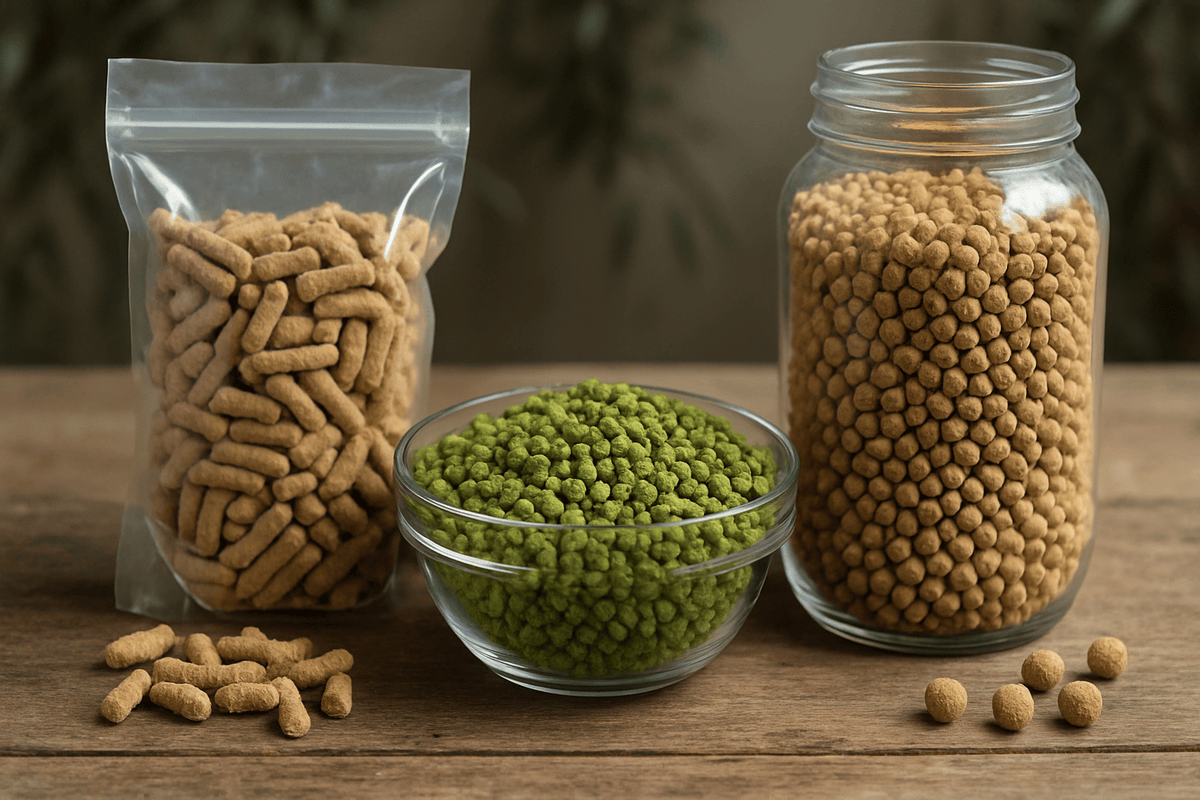
- Birds: Seed mixes often lead to nutritional deficiencies. Look for pelleted bird food formulated with a wider spectrum of fruits, vegetables, and essential amino acids to mimic a natural foraging diet.
- Small Animals (Rabbits, Guinea Pigs): High-quality, hay-based diets supplemented with Vitamin C-rich vegetables are crucial, moving away from filler-heavy mixes.
We acknowledge the challenge of sourcing specialized reptile supplies alongside standard items. Our curated selection aims to solve this by centralizing premium options for diverse needs in one trusted location.
The Selection Process: A Step-by-Step Guide to Choosing Natural Pet Food
To simplify the transition to healthy organic pet food or high-quality natural alternatives, we recommend a structured evaluation process. This framework helps ensure you are making an informed choice, particularly when dealing with pets with specific vulnerabilities, such as those prone to pancreatitis or sensitive stomachs.
Here is a checklist for evaluating any prospective natural diet:
- Analyze the Guaranteed Analysis: Compare the protein, fat, and fiber percentages against the recommended ranges for your pet’s species and life stage (e.g., puppies need higher fat/protein than seniors).
- Scrutinize the Ingredient Panel: Ensure the first five ingredients are recognizable, high-quality sources (e.g., single-source animal protein, specific vegetables). If the first ingredient is a rendered meal or grain filler, downgrade the product.
- Verify Supplemental Additives: For specialized pets (like reptiles), confirm the inclusion of essential vitamins and minerals like Vitamin A, D3, and E, and check their source.
- Look for Third-Party Verification: While not always possible for every niche product, established brands often carry certifications indicating rigorous testing protocols.
- Assess Palatability and Transition Plan: Start small. Even the best food is useless if rejected. Plan a slow, 7-10 day transition period when introducing a new formula to avoid digestive upset.
Mini Case Study: The Hypoallergenic Transition
A customer recently contacted us, worried about their cat, Mittens, who suffered from chronic itching and digestive issues despite being on a common “premium” diet. This addressed their pain point regarding ensuring proper nutrition for pets with specific needs. We guided them toward a novel protein, limited-ingredient natural cat food—specifically one featuring duck as the sole animal protein source, eliminating common allergens like chicken and beef found in previous formulas. After a careful transition guided by our support team, the owner reported significantly reduced scratching within four weeks, validating the importance of precise protein selection over general quality claims.
Understanding Formulation Differences: A Comparison Table
When comparing specialized natural diets versus standard commercial options, understanding key formulation differences is essential for making the right purchasing decision. Here, we compare the characteristics often sought in premium natural diets versus conventional mass-market offerings, which often necessitate purchasing more pet supplies later due to secondary health issues.
For owners navigating these choices, remember that our selection of Dog formulas focuses heavily on whole ingredients.
Frequently Asked Questions for the Specialty Pet Owner
Q: What is the safest way to switch my Bearded Dragon from feeder insects to a predominantly pelleted diet? A: This requires patience. In the context of Exotic Pet Supplies, optimal nutrition often means transitioning slowly. Start by dusting high-quality pellets with pulverized insects or mashed fruit until acceptance occurs. Ensure your UV lighting setup is correct, as Vitamin D3 synthesis is intrinsically linked to calcium absorption, regardless of diet quality.
Q: My small animal habitat needs cleaning, but I want to use eco-friendly supplies. What should I look for? A: Seek out natural substrates and enzymatic cleaners specifically formulated for pet environments. Avoid harsh chemical disinfectants, which can compromise respiratory health in small mammals and birds. Look for plant-derived cleaners designed for pet supplies.
Q: Is “organic” dog food always superior to “natural” dog food? A: Not necessarily. “Natural” speaks to ingredient source and processing, while “organic” refers to farming/raising practices (e.g., no pesticides, antibiotics). Many excellent natural foods use high-quality, non-certified ingredients. Evaluate the full ingredient panel first; certification is a bonus.
Q: How often should I adjust my fish food based on water quality fluctuations? A: While diet quality matters, acute changes in water parameters usually require water treatment before diet adjustment. However, ensure your fish food includes appropriate immunostimulants, especially if water quality has recently stressed the fish.
Q: Where can I find reputable, specialized food for livestock I keep in a small farm setting? A: Talis Us stocks carefully selected feed options for small-scale farm animals focused on balanced nutrition, moving beyond generic mixes to support overall herd or flock health. Explore our comprehensive Pet collection for diverse nutritional needs.
Making the commitment to choosing natural pet food for all your companions—whether they bark, chirp, or slither—is a direct investment in their longevity and quality of life. Understanding the nuances between species and demanding transparency from ingredient sourcing are the hallmarks of an expert caretaker. At Talis Us, we curate these high-quality, diverse options so you can focus less on label decoding and more on enjoying your cherished pets. Explore our carefully selected nutrition lines today to support every unique member of your family.

De Talis Us



Dejar un comentario
Este sitio está protegido por hCaptcha y se aplican la Política de privacidad de hCaptcha y los Términos del servicio.