


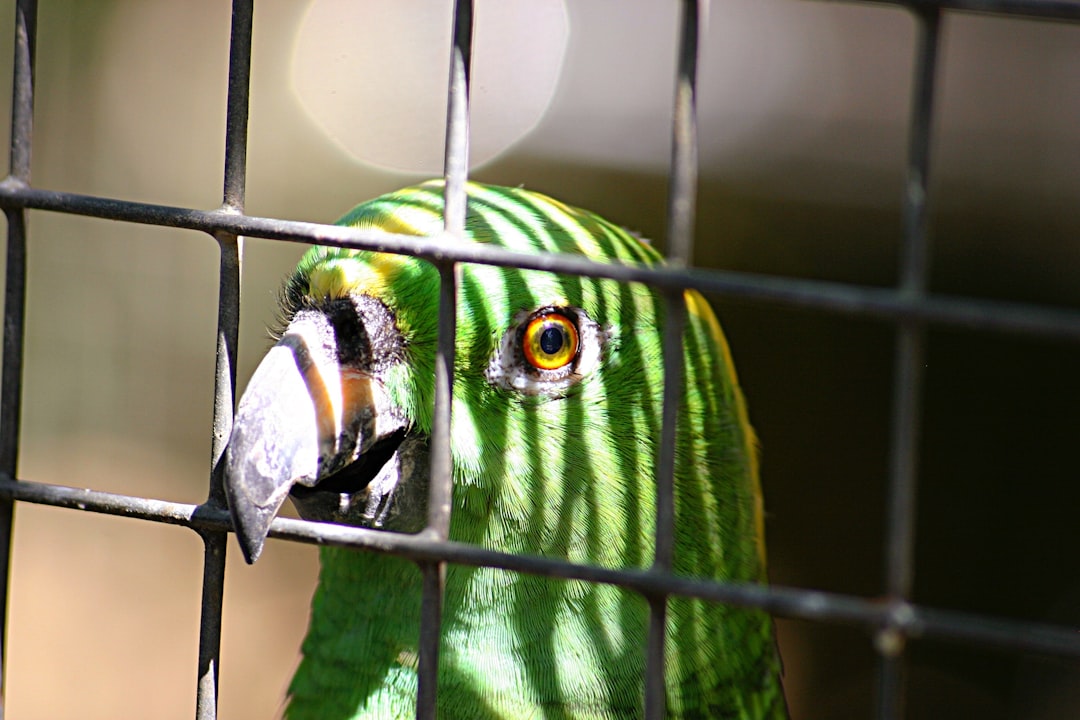
Best outdoor bird aviary for multiple birds
Best outdoor bird aviary for multiple birds
Creating a vibrant, chirping oasis in your backyard is a dream for many avian enthusiasts. Watching a mixed flock flutter, socialize, and thrive in the fresh air is incredibly rewarding. However, housing multiple birds outdoors is a significant responsibility that requires careful planning, robust safety measures, and a deep understanding of flock dynamics.
If you are looking for the best outdoor bird aviary for multiple birds, you are not just shopping for a cage; you are designing a micro-habitat. The ideal enclosure must balance ample flight space with ironclad security, weather resistance, and ease of maintenance.
In this comprehensive guide, we will explore exactly what makes the best outdoor bird aviary, from structural materials and predator-proofing to flock management and seasonal care.

1. Sizing and Space Requirements
The most critical factor in choosing an aviary for birds is space. Birds are not meant to simply sit on perches; they need room to stretch their wings, forage, and establish their own personal boundaries.
How Many Birds Can Fit in a Large Aviary?
One of the most common questions from new keepers is, "how many birds can fit in a large aviary?" Unfortunately, there is no single mathematical formula, as the answer depends heavily on the species, their activity levels, and their territorial nature.
As a general rule of thumb for small to medium flock birds (like finches, canaries, or budgies):
- Minimum Flight Length: An outdoor bird aviary should be at least double the length of the flight path required by your largest bird, though longer is always better. For small birds, a minimum of 6 feet in length allows for adequate horizontal flight.
- Volume Rule: Allow at least 3 to 4 cubic feet of space per small bird. For larger birds like cockatiels or small parrots, double or triple that requirement.
- Overcrowding Risks: It is always better to under-stock your aviary. Overcrowding leads to stress, poor hygiene, and increased aggression.
2. Choosing the Right Materials
When evaluating the market for the perfect enclosure, you will immediately face the classic debate of wood vs metal outdoor bird structures. Your choice here will dictate the longevity of your aviary and the safety of your flock.
Wooden Aviaries
Wooden structures offer a beautiful, natural aesthetic that blends seamlessly into garden environments. They are relatively easy to modify, insulate, and repair.
- Pros: Attractive, excellent thermal properties (doesn't get too hot or too cold quickly), customizable.
- Cons: Susceptible to rot, harder to sanitize, and easily chewed by parrots.
- Pro Tip: If you choose wood, ensure the manufacturer uses non-toxic weather resistant finishes. Standard treated lumber often contains chemicals that are highly toxic to birds if ingested.
Metal Aviaries
For longevity and heavy-duty use, metal is the gold standard.
- Pros: Highly durable, easy to pressure-wash, completely chew-proof (essential for hookbills like macaws or cockatoos).
- Cons: Can conduct heat and cold rapidly, often more expensive.
- Safety Note: Avoid ungalvanized steel that can rust, or poorly galvanized wire that can cause zinc toxicity. Powder-coated steel or aluminum is the safest bet.

3. Uncompromising Safety and Security Features
The outdoors poses significant threats to captive birds. From neighborhood cats and raccoons to snakes and birds of prey, your aviary must be a fortress.
Predator Proofing
The best outdoor bird aviary for multiple birds will boast a variety of predator proof outdoor bird enclosure features.
- Wire Mesh: The quality of the mesh is paramount. Hardware cloth or welded wire is vastly superior to chicken wire, which predators can easily tear through. Furthermore, you must consider the safest wire mesh size for small birds. A ½-inch by ½-inch mesh size is highly recommended; it prevents small birds from sticking their heads out and stops snakes, mice, and raccoon paws from reaching in.
- Double Doors: Escapes happen in the blink of an eye. A double door safety entry system (often called a "catchment" or "airlock") is non-negotiable for large flights. This involves an outer door leading into a small vestibule, and an inner door leading to the birds. You close the first door before opening the second, ensuring no bird can dart past you into the wild.
Foundation and Flooring
Predators don’t just attack from the sides and above; many will dig under your aviary walls. For permanent setups, building a concrete foundation for bird aviaries is the ultimate defense against burrowing predators like rats, foxes, and raccoons.
How to do it right:
- Dig a trench around the perimeter of your aviary site at least 12-18 inches deep.
- Pour a solid concrete perimeter footer.
- For the floor, a poured concrete slab is the easiest to clean. If you prefer a natural dirt or grass floor for ground-foraging birds (like quail), you must bury heavy-duty hardware cloth at least a foot below the soil surface, attaching it securely to your concrete footer.
4. Accessibility and Ease of Maintenance
Keeping a multi-bird aviary clean is a significant chore, but the right design features can cut your maintenance time in half.
Walk-In Designs vs. Tray Systems
A walkthrough walk-in bird flight cage provides incredible benefits. It allows you to enter the enclosure comfortably to socialize with your birds, arrange large tree branches, and scrub the floors. Walk-in designs are essential for large flocks, as reaching into a massive cage from the outside is practically impossible.
Conversely, if you are looking at slightly smaller, raised enclosures, ensure it features a pull out debris tray for easy cleaning. A high-quality pull-out tray allows you to remove droppings, discarded seed hulls, and molted feathers without opening the main doors and stressing the flock.

Airflow and Climate Control
While prioritizing security, do not compromise on airflow. Maintaining optimal ventilation in large enclosures is crucial to prevent the buildup of ammonia from droppings, fungal spores, and dust.
- Ensure at least two sides of the aviary utilize wire mesh to allow for cross-breezes.
- Avoid placing the aviary in heavily enclosed, damp corners of your yard where stagnant air can lead to respiratory illnesses in your flock.
5. Adapting to Your Lifestyle and Climate
When selecting your habitat, you need to consider your local climate and whether you own your property or plan to move.
Permanent vs. Portable
The debate between portable vs permanent garden bird flights depends largely on your living situation.
- Portable Aviaries: Usually made of lightweight aluminum, these can be broken down and moved. They are great for renters or for moving your flock to shaded areas during extreme summer heat. However, they lack the security of a deeply entrenched foundation.
- Permanent Aviaries: Built on concrete slabs with heavy timber or steel frames. They offer maximum security and longevity but are a permanent landscaping commitment.
Weatherproofing
No matter where you live, you will need to implement seasonal weather protection for outdoor birds.
- Sun and Heat: Provide shaded areas using non-toxic leafy branches, shade cloth, or solid roofing over at least 50% of the aviary. Birds can easily succumb to heatstroke.
- Rain and Wind: At least one corner of the aviary should have solid walls (like a three-sided shelter) to allow birds to escape driving rain and harsh winds.
- Cold Winters: If you live in a cold climate, you will need to winterize your aviary. This may involve attaching heavy-duty clear vinyl panels to the exterior to block wind while letting in light, and installing bird-safe ceramic heat emitters or heated perches in a fully enclosed, insulated section of the aviary.
6. Flock Dynamics and Habitat Design
Having a large cage is only half the battle; how you furnish it and who you put inside determines whether your flock lives in harmony or constant stress.
Crafting the Environment
A successful large scale community bird habitat design mimics nature. Do not just place a few dowel perches across the cage.
- Levels: Use natural, bird-safe branches of varying thicknesses. Place them at different heights, keeping in mind that the highest perches will be the most sought after.
- Feeding Stations: In a multi-bird setup, dominant birds will often guard food bowls. You must have multiple feeding and watering stations spread throughout the aviary to ensure the lowest-ranking birds get enough to eat.

Community Management
Understanding species compatibility for shared bird housing is absolutely essential before combining flocks. Mixing the wrong birds can result in injury or death.
- The Good Mixes: Peaceful finches (like Zebra or Society finches) generally do well together, and can often be safely housed with peaceful ground-dwellers like Button Quail, which help clean up dropped seeds.
- The Bad Mixes: Never mix hookbills (parrots, cockatiels, lovebirds) with softbills or finches. Even a small lovebird has a bite powerful enough to sever a finch’s leg. Furthermore, avoid mixing highly territorial species unless the aviary is massive.
Even among compatible species, friction can occur. Preventing territorial aggression in communal cages requires strategic design:
- Visual Barriers: Hang non-toxic plants (like spider plants or safe ferns) or large leafy branches in the center of the aviary. If a bird is being bullied, they need to be able to fly out of the bully’s line of sight.
- Abundant Resources: Provide more nesting boxes, food bowls, and swings than there are birds. Competition for scarce resources is the number one cause of aviary aggression.
- Neutral Territory Introductions: If you are adding a new bird to an established flock, rearrange the perches and bowls before introducing them. This resets established territories and levels the playing field for the newcomer.
Conclusion
Finding the best outdoor bird aviary for multiple birds is a thrilling journey that elevates the quality of life for your feathered companions. By prioritizing generous space, robust predator-proofing, and high-quality materials, you lay the foundation for a thriving community.
Remember that the structure itself is just the beginning. Whether you opt for a sprawling metal walk-in enclosure or a beautifully finished wooden garden flight, your ongoing commitment to cleanliness, seasonal weather management, and peaceful flock dynamics is what truly transforms an outdoor bird aviary into a sanctuary.
Take the time to evaluate your yard, understand the specific needs of the bird species you intend to keep, and invest in a habitat that offers security, stimulation, and safety. Your birds will reward you with years of beautiful songs, fascinating social behaviors, and vibrant life right in your own backyard.

De Talis Us


Dejar un comentario
Este sitio está protegido por hCaptcha y se aplican la Política de privacidad de hCaptcha y los Términos del servicio.