


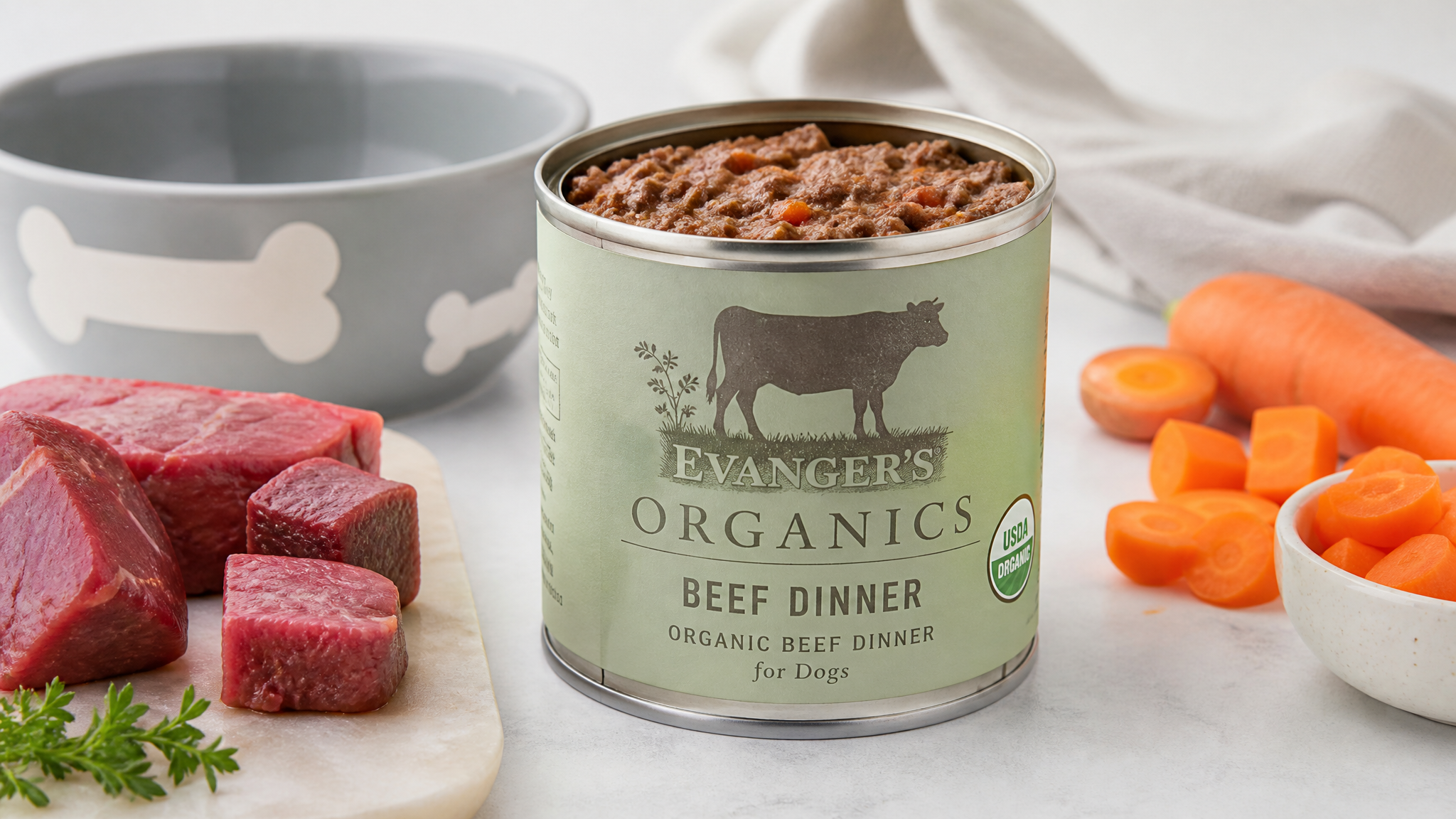
What Makes the Best Organic Wet Dog Food? A Look at Brand Recipes and Ingredients
For many dog owners, the word “organic” carries a quiet kind of reassurance — fewer synthetic additives, a closer connection to whole ingredients. But when it comes to wet dog food, the organic label means something quite specific. It’s not a guarantee of perfection, and it doesn’t make every other option inferior. What it does is tell you a story about how the ingredients were grown and processed before they ever hit the can. Understanding that story can help you decide if an organic recipe is right for your dog, especially if you’re already navigating ingredient sensitivities or just trying to avoid long lists of unpronounceable additives.
In practice, the best organic wet dog food isn’t about a single brand. It’s about a combination of transparent sourcing, a smart ingredient list, and a recipe that matches your dog’s individual needs. We’ll start by unpacking what the organic seal actually means, then walk through the ingredients worth paying attention to, highlight one well-known organic option, and explore how some premium natural brands approach quality — all so you can make a more confident choice.
What Does Organic Mean in Dog Food?
In pet food, the term “organic” is backed by a formal certification process, not a marketing whim. It signals that the ingredients were produced according to a set of agricultural standards overseen by the USDA or an equivalent certifying body. That generally means no synthetic pesticides, no added hormones, no antibiotics, and no genetically modified organisms (GMOs) in the finished product. It’s a definition rooted in farming practices, not in a promise of better health for every dog. The organic label simply tells you that those farming practices have been verified.
This is a key distinction from the word “natural,” which has a far looser definition in pet food. “Natural” can suggest minimal processing and no artificial additives, but there is no required farm-level inspection. So an organic wet food goes a step further: it’s made with ingredients that were grown and handled under rules meant to limit synthetic inputs. For pet owners uneasy about pesticide residues or long-term exposure to certain chemicals, that can feel like a meaningful difference, even if it doesn’t guarantee a particular health outcome.
- No synthetic pesticides or fertilizers during crop growth.
- No antibiotics or added hormones in livestock.
- No GMOs in any ingredient.
- Artificial preservatives, colors, or flavors are typically excluded.
Because organic recipes often rely on whole food ingredients — like named meats, vegetables, and grains — they also tend to avoid the cornucopia of artificial thickeners and by-products found in some conventional foods. That doesn’t make them automatically healthier, but it does create a shorter, more recognizable ingredient panel. For a pet food that is already high in moisture and heavily reliant on animal protein, that cleaner label can be a practical starting point, especially if you’re trying to identify potential triggers for a sensitive stomach.
Key Ingredients to Look For in Organic Wet Dog Food
When you flip a can of organic wet dog food around to read the label, the first thing you’ll want to see is a named, high-quality animal protein. Beef, chicken, salmon — whatever it is, that protein should headline the list. Organic beef, for instance, brings not just protein but also the assurance that the cattle were raised without routine antibiotics or added hormones. A recipe that leads with “organic beef” signals that meat — not a catch-all like “poultry meal” — is the nutritional anchor. For a dog food that is already moisture-rich, the quality of that anchoring protein matters even more, because it’s what separates a satisfying meal from a watery stew of fillers.
Whole-food carbohydrates like brown rice often appear alongside the protein. Organic brown rice provides digestible energy and a steadier release of carbohydrates than refined grains, and in a limited-variety diet it can function as a gentle, familiar source of calories. You’ll also spot nutrient-rich organs — liver, kidney, heart — in some recipes. These aren’t scraps or cheap by-products; they’re dense with vitamins and minerals, the kind of micro-nutrition that helps round out a “complete and balanced” profile as defined by AAFCO standards. A stew that includes both muscle meat and a little liver is, in effect, closer to what a dog’s wild ancestors might have eaten, though no one is claiming your Pug needs to hunt.
A genuinely thoughtful organic recipe will skip artificial fillers, carrageenan thickeners, and synthetic additives. Some brands go further and embrace limited ingredient philosophies — a concept that has grown especially relevant for dogs with ingredient sensitivities (what the industry often calls “Limited Ingredient Dog Food”). By narrowing the roster to one protein and one carbohydrate, these formulas reduce the number of potential triggers. So if your dog has shown signs of a food-related reaction — like itchy skin or loose stools — a limited ingredient organic food can make elimination trials easier. That said, organic certification doesn’t guarantee a limited diet; you still need to read the label.
Premium natural labels sometimes add ingredients like goat’s milk or coconut oil, which have gained a reputation for supporting digestive wellness. Goat’s milk, for example, contains shorter-chain fatty acids and can be easier for some dogs to tolerate than cow’s milk, and it may offer probiotic benefits. But these are value-added propositions, not requirements. A wet food can be fully organic without them. Their presence says more about a brand’s philosophy than about organic integrity. So when you’re checking labels, yes, look for organic certification, but also ask: Does this food lead with a protein I can picture? Are the carbs whole and the additives absent? If the recipe checks those boxes, the organic seal becomes the final confirmation, not the whole story.
A Top Organic Option: Evanger's Organics Beef Dinner
If you’re looking for a straightforward example of organic wet food that sticks to the principles just covered, Evanger’s Organics Beef Dinner is a well-known product that lines up neatly with the criteria. The primary protein is organic beef, and the ingredient list is built to stay simple — no artificial colors, flavors, or preservatives piled on. The 12.8-ounce can size also makes it practical for multi-dog households or for anyone who likes to prep meals ahead without opening a new can every single day.
Why Evanger's Organics Fits the Organic Criteria
The beef in this recipe is USDA-certified organic, which means the cattle were raised without antibiotics or added hormones and fed on organic pasture. That gives you a named, high-quality protein right at the top of the label — the exact kind of transparency many pet owners look for when a dog has a history of ingredient sensitivities. The absence of synthetic additives may help lower the number of potential triggers, though it’s not a cure-all; a true food allergy is still almost always a reaction to a specific protein, not to a pesticide residue.
Wet food, by its nature, brings an extra benefit that dry kibble can’t match: higher moisture content. For dogs who don’t drink enough water on their own, a moisture-rich meal can gently support hydration, and the texture of a pâté or stew often appeals to picky eaters. In a product that keeps the ingredient list this minimal, the meaty aroma and soft consistency become the main selling points — no need for flavor enhancers to coax a hesitant eater. If your dog turns up its nose at dry bits but lights up at the sound of a can being opened, an organic wet food like Evanger’s may ease the transition without adding a long list of unsettling additives.
Ingredient Spotlights from Premium Natural Brands
Not every wet food that impresses with ingredient quality carries the organic seal, but that doesn’t mean it’s irrelevant to an organic-minded shopper. Several premium brands build their recipes around the same values that organic certifiers enforce: named proteins, whole-food carbohydrates, and a deliberate avoidance of synthetic fillers. Looking at how these brands approach ingredient sourcing can give you a sharper eye when judging any can — organic or natural. The next three examples don’t claim to be organic, but they each illustrate a different way to achieve a clean, purpose-driven label.
RAWZ: Goat's Milk and Organ Meats
RAWZ focuses on minimal processing, and that philosophy shows up in recipes like their Stew - Beef, Salmon & Goat's Milk Dog Food. Goat’s milk is used here not as a gimmick but as a digestible dairy source that may contribute probiotics, potentially supporting digestive wellness — a helpful angle for dogs with unsettled stomachs. Alongside it, you’ll find nutrient-rich organs such as liver. These aren’t just protein fillers; they bring fat-soluble vitamins and minerals like iron and copper in a form that’s highly bioavailable. When you see “liver” on an ingredient panel from a brand that proudly names every component, you’re looking at a conscious decision to include parts of the animal that nature packed with nutrition long before anyone started fortifying kibble in a lab.
Wellness: Variety and Balanced Nutrition
Wellness builds its identity around whole-body health, and their wet food line reflects that with multiple protein sources — chicken, beef, salmon — and a consistent absence of artificial colors, flavors, or preservatives. The brand doesn’t chase trends; it sticks to recipes that are formulated to be complete and balanced, which means every vitamin and mineral requirement is met without relying on ambiguous by-products. That commitment to recognizable ingredients — think carrots, peas, and flaxseed alongside the meat — makes a Wellness stew read more like a home-cooked meal than a processed product. For a dog owner trying to compare organic and natural options, this is a good reference point: a label that’s clean, varied, and built around named ingredients, even if the farm wasn’t inspected for pesticide use.
Natural Balance: Limited Ingredient Diets
Natural Balance carved out its reputation by tackling a specific pain point: dogs with ingredient sensitivities. Their Limited Ingredient Dog Food formulas typically feature a single animal protein source and a simple carbohydrate like brown rice — a deliberate choice to reduce the number of potential allergens. The brand excludes corn, wheat, and soy, which are common triggers in some dogs, and avoids loading the can with a dozen supplementary ingredients. That philosophy mirrors one of the key reasons people gravitate toward organic food in the first place: the desire for a shorter, more controlled ingredient list. Whether or not a food is certified organic, a limited lineup of recognizable foods can make it far easier to pinpoint what your dog tolerates well and what might be causing persistent itching or digestive upset.
How to Choose the Right Organic Food for Your Dog
Once you know what to look for on paper, the actual selection still comes down to your dog sitting (or staring) in your kitchen. The first filter is the organic seal: confirm that the product carries a USDA organic certification or an equivalent mark from a recognized certifier. Without that, the word “organic” on the front is just a word. Next, scan the ingredient list and make sure the first item is a named protein you can picture — beef, chicken, salmon — not a vague blend. That protein should be supported by whole-food carbohydrates like brown rice or sweet potato and, ideally, a handful of recognizable vegetables or organ meats. If you spot a long list of additives, gums, or synthetic vitamins that dominate the formula, the organic seal alone may not be enough to sway you.
Beyond the label, match the recipe style to your dog’s everyday challenges. A dog with persistent ear gunk or itchy paws might benefit from a limited ingredient formula that strips the menu down to a single protein and a single carb, making an elimination trial far easier. A senior dog who seems less interested in food might perk up at a stew-like texture, while an overweight Labrador will need a lower-calorie option — organic or not — that still feels satisfying. And if you’re managing a known health condition, the most important step is a conversation with your veterinarian. They can help you separate a well-intentioned ingredient like goat’s milk from a true medical need, ensuring that your organic choice also supports the longer arc of your dog’s health.
Frequently Asked Questions About Organic Wet Dog Food
Is organic dog food better for dogs with allergies?
It can reduce exposure to synthetic pesticides and additives, which may ease irritation for some dogs. But most food allergies are reactions to specific proteins, not to farming methods, so an organic label alone won’t solve a beef allergy. A limited ingredient diet is often more directly helpful in identifying true triggers.
How can I tell if a wet dog food is truly organic?
Look for the USDA organic seal or a similar certifier’s mark on the can — this is the only reliable shortcut. Without that seal, “organic” in the product name can be misleading. Then flip the can over: an ingredient list full of recognizable whole foods and a short, transparent panel is a good secondary sign, but certification is the gold standard.
Can I switch my dog to organic food if they are a picky eater?
The moisture and aroma of wet food often win over hesitant eaters, and some organic brands offer stews or pâtés with a texture that’s especially enticing. When you transition, mix increasing amounts of the new food with the old over about a week to help avoid digestive upset — and let the stronger smell and softer texture do the convincing.

De Talis Us



Dejar un comentario
Este sitio está protegido por hCaptcha y se aplican la Política de privacidad de hCaptcha y los Términos del servicio.