



Artículo: Hop as Light as Bird from Brier: Best Large Bird Cages for Free Flight
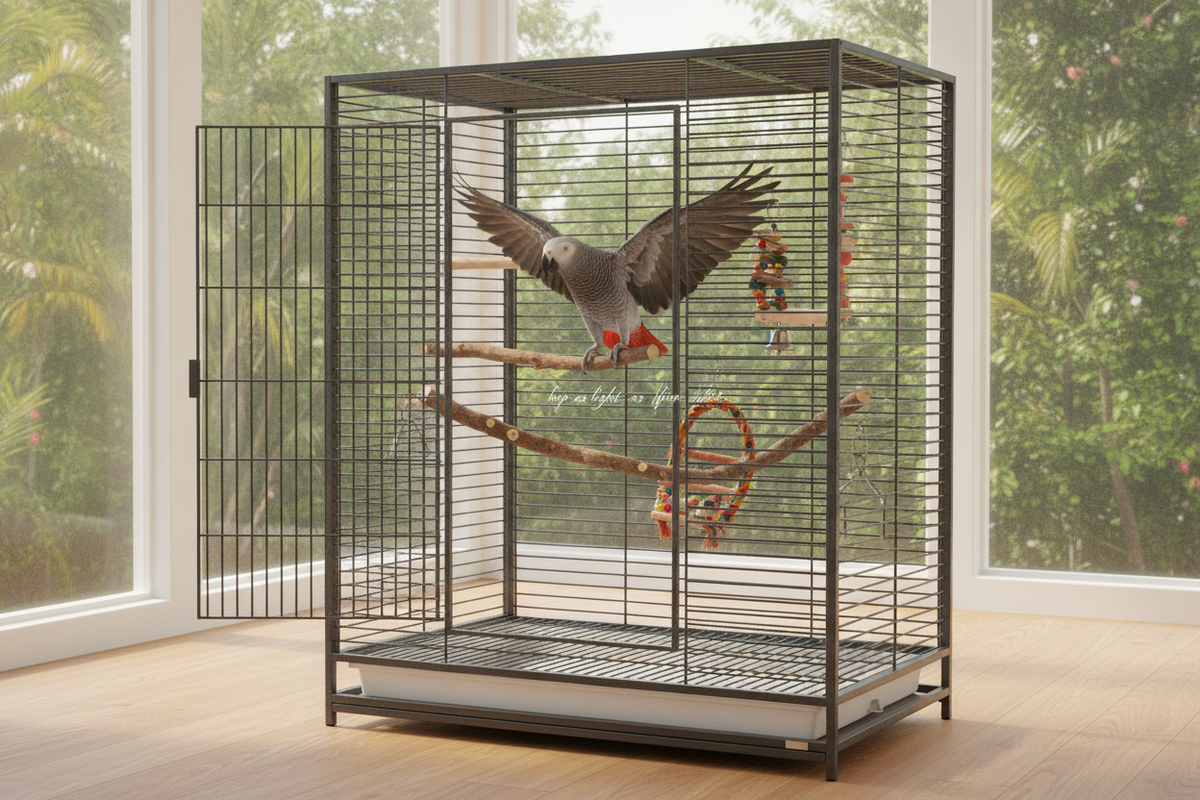
Hop as Light as Bird from Brier: Best Large Bird Cages for Free Flight
Give Your Bird the Space They Were Born to Enjoy
There is something deeply moving about watching a bird move freely, wings spread, hopping from perch to perch with effortless grace. That image, of a bird that can hop as light as bird from brier, is exactly what every devoted bird owner hopes to recreate at home. Yet too many birds spend their days in cages that are simply too small, limiting their movement, dulling their spirits, and quietly affecting their health.
This guide is for you: the bird owner who wants more than just a cage. You want a home within a home, a space where your feathered companion can stretch, explore, and truly thrive. We are breaking down everything you need to know about large bird cages designed for free flight, so you can choose with confidence, care, and a whole lot of love.
Why Cage Size Matters for Your Bird's Wellbeing
The Connection Between Space and Bird Happiness
Birds are not naturally sedentary creatures. In the wild, even small parrots travel impressive distances each day, foraging, socializing, and exercising their wings. When a bird is confined to a cage that does not allow for meaningful movement, the effects go far beyond simple restlessness.
Restricted space has been linked to a range of behavioral and physical issues in pet birds. Feather plucking, repetitive rocking, excessive screaming, and aggression are all recognized signs of stress in birds that lack adequate room to move. These are not personality quirks; they are distress signals.
Physically, birds that cannot stretch and flap their wings regularly are at risk of muscle atrophy and joint problems. Larger species like macaws, cockatoos, and African greys are especially vulnerable, since their bodies are built for dynamic, wide-ranging movement.
A large cage does not just make life more comfortable for your bird. It supports their mental stimulation, encourages natural foraging behaviors, and gives them the autonomy to move on their own terms. When your bird can hop as light as bird from brier, moving freely between perches and exploring their environment, you will notice the difference in their energy, their feathers, and their overall disposition.
The general rule of thumb is that a bird should be able to fully extend both wings simultaneously without touching the cage bars. For larger species, this means cages that are often 36 inches wide or more, and tall enough to accommodate vertical movement as well.
Key Features to Look for in a Large Bird Cage
Bar Spacing, Door Design, and Perch Placement
Not all large cages are created equal. A cage can be impressively sized and still fall short in ways that matter. Here is what to look for when evaluating your options:
Bar Spacing Bar spacing is one of the most critical safety features in any bird cage. Bars that are too wide can allow a curious bird to push their head through and become trapped. Bars that are too narrow for larger species can cause beak or toe injuries. As a general guide, small parrots like cockatiels need spacing between half an inch and three-quarters of an inch. Medium birds like conures and caiques do well with three-quarters to one inch. Larger species such as macaws and cockatoos require one inch to one and a half inches of spacing.
Door Design A well-designed door makes daily interaction safer and more convenient. Look for cages with large front-access doors that allow your bird to step out easily without being forced through a tight opening. Play-top doors that fold down to create a landing platform are a popular and practical option for larger, more active birds. Multiple access points, including side doors and feeding doors, add flexibility and reduce stress during feeding and cleaning.
Bar Orientation and Strength Horizontal bars are essential for climbing birds. Many parrots and cockatoos love to scale the sides of their cages, and horizontal bars give them the grip they need. The material matters too. Powder-coated steel is a durable, non-toxic standard for quality cages, while wrought iron offers exceptional strength for heavy chewers.
Perch Placement and Variety A spacious cage should include multiple perches at varying heights and widths. Natural wood perches, rope perches, and platform perches each serve different purposes and help keep your bird's feet healthy by varying pressure points. Avoid placing perches directly above food and water dishes to keep the environment clean.
Tray and Cleaning Access A removable bottom tray is a practical must-have. Cleaning should be straightforward, because a clean cage is a healthy cage. Look for designs with pull-out trays and grate floors that keep your bird elevated above droppings.
Top Large Bird Cage Picks for Free Flight at Home
Best Cages by Bird Size and Breed
Choosing the right cage depends heavily on the species you are housing. Here are thoughtful recommendations tailored to some of the most popular larger bird breeds:
For Macaws Macaws are among the largest and most physically active pet birds. They need cages that are at minimum 36 inches wide, 24 inches deep, and 48 inches tall, though larger is always better. Wrought iron construction with bar spacing of one to one and a half inches is ideal. Cages with play tops give macaws an additional enrichment zone outside the main enclosure. Look for models with multiple large doors and reinforced latches, since macaws are notoriously clever escape artists.
For Cockatoos Cockatoos are enthusiastic climbers and chewers. A cage of at least 30 by 30 by 48 inches gives them room to move. Horizontal bars on at least two sides support their love of climbing. Powder-coated steel with non-toxic finishes is important here, as cockatoos will test every surface with their beaks. Play-top designs work beautifully for this breed.
For African Greys African greys are intelligent and active, needing both physical space and mental stimulation. A cage measuring 24 by 36 by 48 inches or larger works well. Look for cages that accommodate a variety of toys, foraging opportunities, and perch configurations. African greys tend to be sensitive to environmental changes, so a stable, well-structured cage layout helps them feel secure.
For Conures and Caiques These medium-sized birds are energetic and playful. A cage of at least 24 by 24 by 36 inches gives them room to hop and explore. Bar spacing of three-quarters to one inch keeps them safe. Multiple perches and toy hooks are important for keeping these curious birds mentally engaged.
For Cockatiels and Similar Species While smaller than macaws or cockatoos, cockatiels still benefit greatly from generous space. A cage of 24 by 18 by 24 inches is a minimum, but larger is always welcome. Horizontal bars support their natural climbing instincts, and a variety of perch textures keeps their feet healthy.
When browsing options, prioritize cages from reputable brands that clearly list materials, bar spacing, and dimensions. Customer reviews from fellow bird owners are invaluable for understanding real-world usability.
Give Your Bird a Home Worth Flying Into
A spacious cage is not a luxury. It is one of the most meaningful ways you can show your bird that you understand and respect who they are. When your feathered companion can hop as light as bird from brier, moving freely between perches, stretching their wings, and exploring their environment on their own terms, you are giving them a quality of life that reflects genuine care.
The right cage transforms your bird's daily experience. It reduces stress, supports physical health, encourages natural behaviors, and deepens the bond between you and your companion. Every detail matters, from bar spacing to door design to perch variety, and getting it right is absolutely worth the effort.
At Talis Us, we believe every pet deserves a home that honors who they are. Explore our curated collection of large bird cages and find the perfect space for your feathered family member today. Your bird is waiting to spread their wings.

De Talis Us


Dejar un comentario
Este sitio está protegido por hCaptcha y se aplican la Política de privacidad de hCaptcha y los Términos del servicio.