


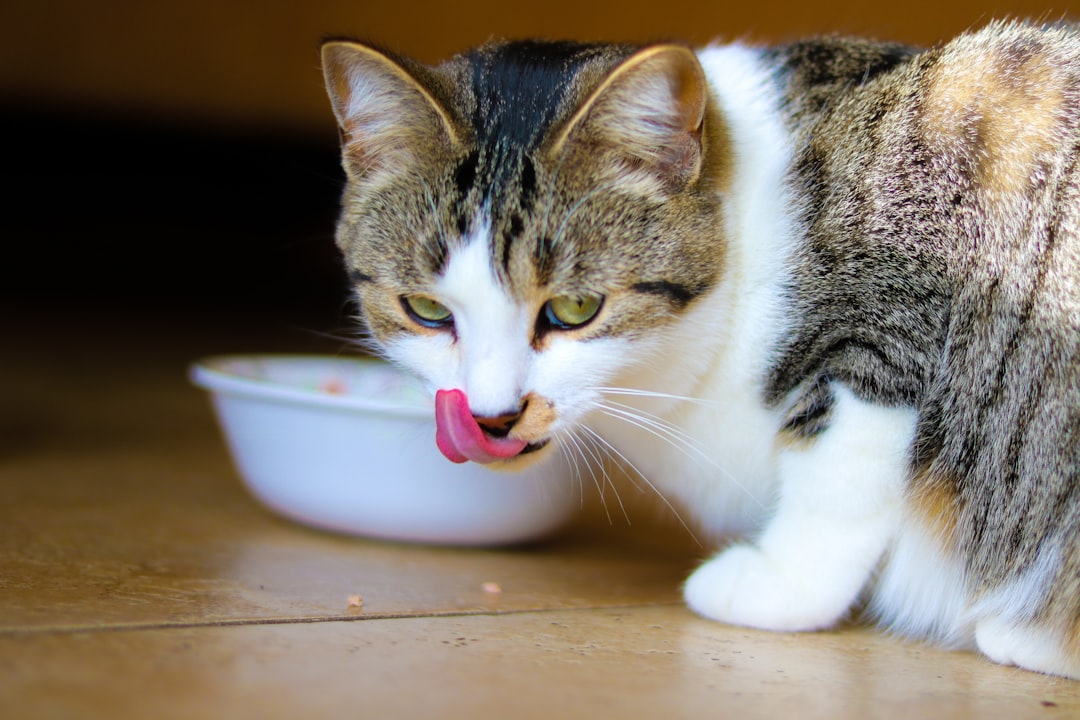
Benefits of Grain-Free Cat Food Options
Benefits of Grain-Free Cat Food Options
Grain-free cat food can be a thoughtful choice for some cats, especially when it is nutritionally complete, animal-protein focused, and selected for a specific reason rather than a marketing promise. It removes grains such as wheat, corn, rice, barley, rye, and oats, but it does not remove carbohydrates altogether. For new cat owners comparing Lotus cat food, premium cat food, and hypoallergenic cat food options, the real goal is not simply “grain-free”; it is choosing a diet that supports your cat’s life stage, digestion, skin, weight, and daily energy.

Is grain-free cat food actually necessary for cats?
Grain-free cat food is not automatically necessary for every cat, but it can be useful when it fits a cat’s nutritional needs, taste preferences, or suspected food sensitivities. Cats are obligate carnivores, which means they rely heavily on nutrients found in animal tissues, including high-quality protein, essential fatty acids, and taurine. That does not mean every grain-inclusive food is poor, and it does not mean every grain-free recipe is superior.
The phrase “grain-free” describes what a food omits, not what it provides. A recipe may exclude corn or wheat yet still use peas, lentils, potatoes, tapioca, or other starches to create texture, bind kibble, or balance the formula. This matters because a new pet owner may assume grain-free means low-carbohydrate, meat-only, or hypoallergenic. Sometimes it is none of those things.
A better question is whether the food is complete and balanced for your cat’s life stage. Look for a nutritional adequacy statement, commonly based on AAFCO standards in the United States, indicating whether the food is appropriate for adult maintenance, growth, reproduction, or all life stages. If that statement is missing, the food may be intended only for supplemental feeding, even if the ingredient list looks impressive at first glance.
The main benefits of grain-free cat food
The strongest benefit of grain-free cat food is ingredient control. If your cat does poorly with certain grain-containing formulas, a grain-free recipe gives you a practical way to narrow the diet and observe changes. This can be particularly helpful when you are trying to understand patterns in stool quality, appetite, vomiting frequency, or skin comfort under veterinary guidance.
Some grain-free formulas also emphasize animal ingredients more prominently, which can align well with feline biology. A premium cat food in this category may list meat, poultry, or fish as the first ingredient and avoid relying on grains as inexpensive calorie sources. That said, ingredient order alone is not enough; moisture content, protein digestibility, mineral balance, and overall formulation quality all influence how well the food supports your cat.
Grain-free diets may also appeal to cats with selective appetites. Wet grain-free foods often come in paté, minced, shredded, flaked, or gravy-style textures, giving owners multiple ways to satisfy a cat who has strong opinions about dinner. Any cat owner who has watched a perfectly healthy cat reject a bowl with theatrical disappointment knows texture can matter as much as flavor.
Potential benefits may include:
- Simpler avoidance of specific grains: Useful if a veterinarian suspects a grain-related intolerance, though this is less common than many people assume.
- Varied protein choices: Recipes may feature chicken, turkey, duck, fish, beef, lamb, or novel proteins, depending on the brand.
- More wet food options: Moisture-rich diets can support hydration, which is valuable because many cats do not drink enthusiastically from a bowl.
- Different textures for picky eaters: Paté, morsels, shreds, and stews can help owners find a format their cat accepts consistently.
- Better label awareness: Choosing grain-free often prompts owners to read ingredient lists and adequacy statements more carefully.
The benefit is not the absence of grain by itself. The benefit is the opportunity to choose a formula with appropriate animal-based nutrition, suitable texture, and a clear purpose.
Grain-free does not always mean hypoallergenic
Hypoallergenic cat food and grain-free cat food are often discussed together, but they are not the same thing. Grain-free food removes grains. Hypoallergenic food is designed to reduce the chance of triggering an adverse food reaction, often by using hydrolyzed proteins or limited, carefully selected protein sources.
This distinction is important because cats with food allergies are often reacting to proteins, not grains. Chicken, beef, fish, dairy, and other animal-derived ingredients can be involved in food sensitivities. A cat eating grain-free chicken food may still react if chicken is the problematic ingredient. Conversely, a cat may tolerate a grain-inclusive veterinary diet very well if the protein source is appropriate.
If your cat has persistent itching, recurrent ear issues, chronic vomiting, diarrhea, or overgrooming, do not guess indefinitely at the pet food aisle. A veterinarian may recommend an elimination diet trial, which requires strict feeding discipline for several weeks. During that period, treats, flavored medications, table scraps, and even “just a bite” of another pet’s food can undermine the process.
A responsible approach to suspected allergy includes:
- Document symptoms before changing food. Note skin changes, stool quality, vomiting episodes, appetite, and energy.
- Ask your veterinarian about diet trial structure. Random switching can make patterns harder to interpret.
- Use one controlled diet at a time. Mixing several “sensitive” formulas obscures the cause of improvement or decline.
- Avoid extra proteins during the trial. Treats and toppers must match the plan.
- Reassess with evidence, not hope. Improvement should be observable, consistent, and discussed with your veterinary team.
Grain-free can be part of a sensitive-digestion strategy, but true hypoallergenic cat food selection is more precise than simply removing wheat or corn.
What separates premium cat food from ordinary grain-free formulas?
Premium cat food is distinguished less by elegant packaging and more by formulation discipline, ingredient quality, transparency, and nutritional completeness. A premium grain-free recipe should provide appropriate protein, fat, vitamins, minerals, and amino acids for the cat it is meant to feed. It should also make sense when you read the label carefully, not merely when you scan the front of the bag.
For example, a grain-free dry food may list a named animal protein first, followed by legumes or starches that help form kibble. A wet food may use meat or fish with broth and added nutrients to create a complete diet. Neither format is inherently perfect. Dry food is convenient and calorie-dense, while wet food contributes moisture and may be easier for some cats to chew or digest.
When evaluating Lotus cat food or any other premium cat food option, look beyond the broad claim and examine the practical details. Is the formula complete and balanced? Is it intended for kittens, adults, seniors, or all life stages? Does it use named ingredients rather than vague terms? Does your cat actually eat it reliably? The best food on paper is not very helpful if your cat treats it like an offensive household object.
Use this label-reading checklist:
- Nutritional adequacy statement: Confirms whether the food is complete and balanced for a specific life stage.
- Named animal proteins: Look for clear sources such as chicken, turkey, salmon, duck, or beef rather than only generic descriptions.
- Appropriate fat sources: Cats need dietary fat for energy, palatability, and essential fatty acids.
- Taurine inclusion or adequacy: Taurine is essential for cats and must be supported by the overall formula.
- Calorie information: Helps prevent overfeeding, especially with indoor cats.
- Texture and moisture level: Wet, dry, and mixed feeding plans affect hydration and satiety differently.
- Feeding guidelines: Useful as a starting point, though individual cats may need adjustments.
- Brand transparency: Clear product information and accessible customer support can make decision-making easier.
Premium does not mean extravagant. It means the food is built around your cat’s biological needs and your ability to feed it consistently.

Grain-free options by texture and feeding style
One reason grain-free diets are popular is variety. Cats can be discerning, and variety allows owners to match nutrition with preference. For a new pet owner, this can be a relief: you are not limited to one format if your cat declines a particular texture.
Dry grain-free kibble is convenient, tidy, and easy to portion. It can work well for cats that graze or for households using puzzle feeders. Because dry food contains little moisture compared with wet food, owners should pay close attention to water intake. Some cats drink well from fountains, while others need wet food to meaningfully increase moisture consumption.
Wet grain-free food offers a different set of advantages. It may be more aromatic, more hydrating, and easier for cats with dental discomfort or reduced appetite to accept. Paté tends to be smooth and uniform, while shredded or minced foods give cats a more varied mouthfeel. Foods in gravy may entice picky eaters, although owners should still evaluate the full nutritional profile rather than choosing by sauce enthusiasm alone.
Mixed feeding can combine convenience and moisture. For instance, some owners feed measured kibble for one meal and wet food for another. This can help manage budget, texture preference, and routine. The key is portion control, because combining foods without adjusting calories can quietly lead to weight gain.
How should you choose a grain-free cat food safely?
Choose grain-free cat food by starting with your cat’s life stage, medical history, body condition, and current diet, then use the label to verify nutritional completeness. Kittens, pregnant or nursing cats, seniors, and cats with kidney disease, diabetes, urinary issues, obesity, or chronic gastrointestinal signs deserve veterinary input before a major diet change. Food is daily medicine in the broadest sense: it is not a cure-all, but it influences nearly every system in the body.
Begin with the reason for switching. Are you responding to suspected sensitivity, improving ingredient quality, increasing wet food intake, or simply exploring better options? A clear reason helps you measure whether the new diet is successful. Without a reason, owners may keep changing food whenever a new claim sounds persuasive, and cats rarely appreciate that level of culinary turbulence.
Then compare formulas within the same category. If your cat thrives on wet food, compare wet grain-free options rather than jumping between wet, dry, raw, and freeze-dried foods all at once. If you are considering Lotus cat food, evaluate the specific recipe, not only the brand name. Product lines can vary by protein source, texture, calorie density, and intended life stage.
A practical decision process looks like this:
- Identify your cat’s profile. Age, weight, activity level, neuter status, and known health concerns all matter.
- Select the right life-stage formula. Kitten food and adult maintenance food are not interchangeable for long-term feeding.
- Prioritize complete and balanced nutrition. This is more important than any single marketing phrase.
- Choose a suitable protein source. If allergies are suspected, ask your veterinarian before selecting randomly.
- Match texture to preference. A nutritious food must still pass the whisker-level approval process.
- Review calories and portions. Indoor cats can gain weight on high-quality food if portions are too generous.
- Monitor the response. Watch stool, coat, appetite, energy, and body condition over time.
This method turns a crowded shelf into a manageable decision rather than a guessing game.
Safe transition strategies for new diets
Most cats do best when diet changes happen gradually. A sudden switch can cause vomiting, soft stool, refusal to eat, or general digestive protest. Cats are creatures of habit, and their gastrointestinal systems often prefer polite introductions rather than dramatic menu announcements.
A common transition plan takes about a week, though sensitive cats may need longer. Start by mixing a small amount of the new grain-free food into the current food, then slowly increase the new portion while decreasing the old. If your cat develops diarrhea, vomiting, or appetite loss, pause the transition and contact your veterinarian if signs persist or seem severe.
A simple transition schedule:
- Days 1 and 2: Mostly current food with a small amount of new food.
- Days 3 and 4: Increase the new food to about one-quarter to one-half of the meal.
- Days 5 and 6: Feed mostly the new food if your cat is tolerating it well.
- Day 7 and beyond: Move fully to the new food if stool, appetite, and comfort remain normal.
Some cats need a slower plan, especially if they have sensitive digestion or a history of food refusal. Never force a cat to “wait it out” for long periods without eating, because cats can develop serious health problems when they stop eating. If your cat refuses the new food, try a different texture, warm wet food slightly to enhance aroma, or return to the previous accepted diet while you reassess.
Common situations where grain-free may or may not help
Grain-free diets can be appropriate in several situations, but expectations should be realistic. For skin problems, grain-free may help only if the removed ingredient was relevant to the reaction. If the true trigger is chicken or fish, a grain-free formula containing that protein will not solve the issue. This is why veterinary-guided diet trials are so valuable.
For digestive sensitivity, some cats improve on a new formula because of the protein source, fiber profile, moisture level, fat content, or overall digestibility rather than the absence of grain. Owners may credit “grain-free” when the improvement came from a broader formulation change. That is not bad news; it simply means the full recipe matters.
For weight management, grain-free is not automatically lower in calories. Some formulas are energy-dense, particularly dry foods. Portion measurement is essential, and body condition should guide feeding adjustments. Your cat should have a visible waist from above and a palpable ribcage under a modest fat covering, though your veterinarian can help you assess this accurately.
For diabetic cats or cats with urinary concerns, diet decisions should be individualized. Moisture content, carbohydrate level, mineral balance, and medical monitoring may all be relevant. In these cases, do not rely on front-label claims. Partner with your veterinarian to choose a diet that fits the diagnosis.
A balanced takeaway for new cat owners
Grain-free cat food can be an excellent option when it is complete, balanced, palatable, and chosen for a meaningful reason. It may support cats that need specific ingredient avoidance, prefer certain textures, or benefit from a thoughtfully formulated premium cat food. However, grain-free is not a universal upgrade, and it should not be confused with hypoallergenic cat food unless the formula is specifically designed for that purpose.
As The Pet Expert, the most reliable advice I can offer is to let your cat’s biology lead the decision. Look for animal-focused nutrition, verify the adequacy statement, compare recipes carefully, and transition gradually. Whether you are exploring Lotus cat food or another grain-free option, the best choice is the one that keeps your cat healthy, comfortable, bright-eyed, and ready for the next delightful bit of household mischief.

De Talis Us


Dejar un comentario
Este sitio está protegido por hCaptcha y se aplican la Política de privacidad de hCaptcha y los Términos del servicio.