



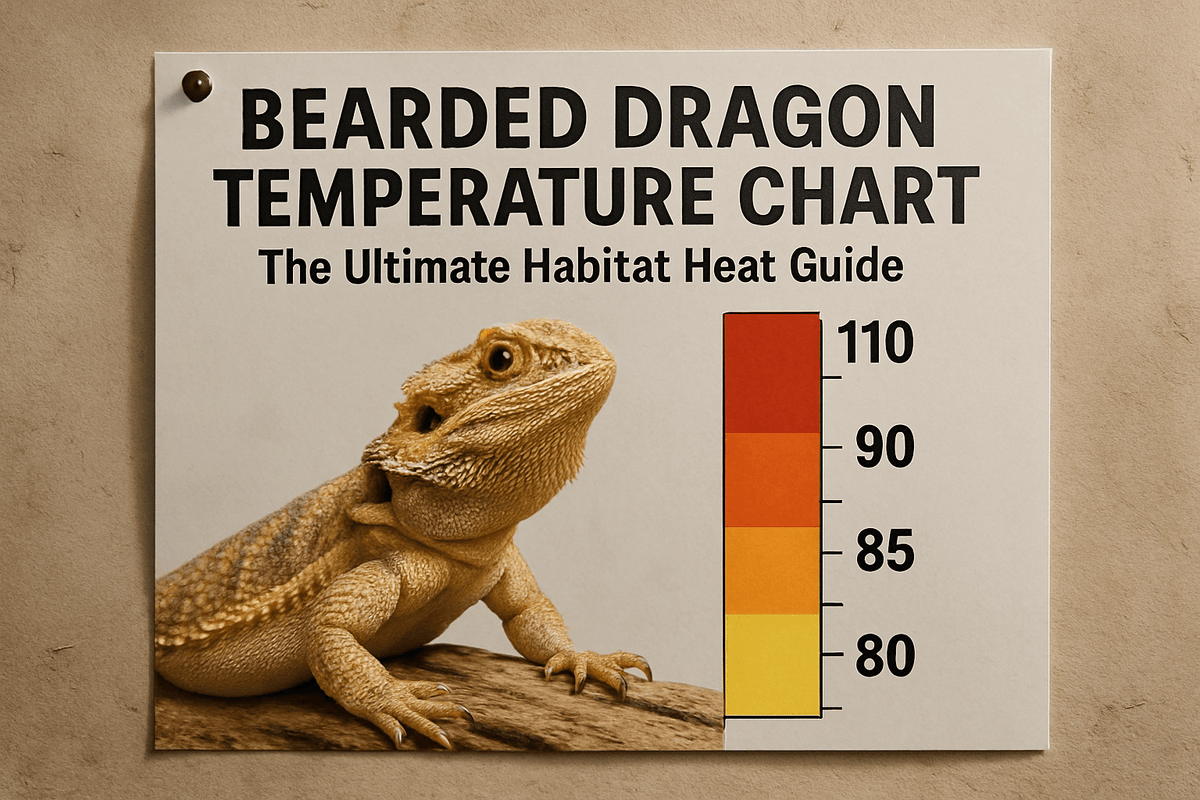
Bearded Dragon Temperature Chart The Ultimate Habitat Heat Guide
Understanding Optimal Temperature Ranges for Bearded Dragons
Creating the perfect thermal environment for your bearded dragon requires meticulous attention to temperature gradients that mirror their native Australian habitat. These remarkable reptiles are poikilothermic creatures, meaning they depend entirely on external heat sources to regulate their body temperature and maintain essential physiological functions.
The cornerstone of successful bearded dragon husbandry lies in establishing distinct temperature zones within their enclosure. A proper basking area should maintain temperatures between 95°F to 110°F for adults, while juveniles require slightly higher ranges of 100°F to 115°F due to their accelerated metabolic demands. The cool side of the terrarium must provide refuge at 75°F to 85°F, creating the essential thermal gradient these dragons instinctively seek.
"Temperature regulation isn't just about comfort—it's about survival. Without proper thermoregulation, bearded dragons cannot digest food, synthesize vitamins, or maintain immune function effectively."
Nighttime temperatures present different requirements entirely. Dragons naturally experience cooler nocturnal conditions, with optimal sleeping temperatures ranging from 65°F to 75°F. This temperature drop mimics their circadian rhythms and promotes restorative sleep cycles crucial for growth and health maintenance.
Essential Heating Equipment and Setup
Primary Heat Sources
Selecting appropriate heating apparatus forms the foundation of thermal management. Ceramic heat emitters provide consistent warmth without light emission, making them ideal for nighttime heating. These devices generate infrared radiation that penetrates effectively while maintaining darkness essential for natural sleep patterns.
Basking bulbs serve dual purposes by delivering both illumination and concentrated heat. Halogen floods offer superior heat penetration compared to traditional incandescent bulbs, creating more natural warming patterns that stimulate thermoregulatory behaviors. Mercury vapor bulbs combine UVB radiation with heat output, though they require careful positioning to prevent overheating.
Secondary Heating Solutions
Under-tank heating pads supplement primary heat sources by warming substrate from below. However, these should never serve as sole heating methods since bearded dragons primarily absorb heat dorsally through basking behaviors. Radiant heat panels mounted overhead provide gentle, consistent warmth across larger terrarium areas.
Heat tape offers versatile installation options for custom enclosures, though proper thermostatic control becomes absolutely critical to prevent dangerous temperature spikes. Always position heating elements to create natural thermal gradients rather than uniform heating throughout the habitat.
Comprehensive Temperature Chart by Life Stage
| Life Stage | Basking Spot | Warm Side | Cool Side | Nighttime |
|---|---|---|---|---|
| Hatchling (0-2 months) | 105°F - 115°F | 90°F - 95°F | 80°F - 85°F | 70°F - 75°F |
| Juvenile (2-12 months) | 100°F - 110°F | 85°F - 90°F | 78°F - 83°F | 68°F - 73°F |
| Adult (12+ months) | 95°F - 105°F | 80°F - 85°F | 75°F - 80°F | 65°F - 72°F |
These temperature parameters accommodate the physiological differences between life stages. Younger dragons require elevated temperatures to support rapid growth rates and efficient nutrient absorption. Adult dragons maintain stable temperatures with slightly lower requirements as their metabolic rate moderates.
Monitoring and Measurement Techniques
Accurate temperature monitoring demands quality instrumentation positioned strategically throughout the enclosure. Digital thermometers with probe capabilities provide precise readings at specific locations, while infrared temperature guns allow spot-checking of basking surfaces without disturbing your dragon.
Thermostatic controllers represent essential safety equipment, automatically regulating heating elements to prevent dangerous temperature fluctuations. These devices feature adjustable parameters and emergency shutoff capabilities that protect against equipment malfunctions or power surges.
Temperature data loggers record continuous measurements over extended periods, revealing patterns invisible through casual observation. This technology identifies subtle variations that might impact your dragon's behavior, appetite, or overall wellbeing.
Common Temperature-Related Problems and Solutions
Overheating Issues
Hyperthermia manifests through excessive panting, lethargy, and seeking cool surfaces continuously. Dragons may exhibit gaping behaviors where they open their mouths to facilitate heat dissipation. Immediate intervention requires reducing heat source intensity and providing additional ventilation to prevent heat stroke.
Equipment failures can create dangerous hot spots exceeding safe parameters. Regular calibration of thermostatic controls and backup monitoring systems prevent catastrophic overheating events that could prove fatal within minutes.
Insufficient Heating Problems
Hypothermic conditions impair digestive efficiency, leading to food impaction and nutritional deficiencies. Dragons experiencing inadequate temperatures often display reduced activity levels, prolonged basking attempts, and decreased appetite responses.
Respiratory infections frequently develop when dragons cannot achieve optimal body temperatures necessary for immune system function. Proper heating supports natural defense mechanisms against bacterial and fungal pathogens.
Seasonal Temperature Adjustments
Mimicking natural seasonal variations enhances physiological health and encourages natural behaviors like brumation. Gradual temperature reductions during winter months trigger hormonal changes that regulate reproductive cycles and metabolic processes.
Summer temperatures may require adjustment to prevent overheating when ambient room temperatures rise significantly. Enhanced ventilation and modified heating schedules maintain appropriate thermal gradients despite external temperature variations.
Transitional periods between seasons demand careful monitoring as dragons adjust to changing conditions. Gradual modifications over several weeks prevent thermal shock while allowing natural acclimatization processes to occur.
Frequently Asked Questions
How quickly should temperature changes occur in bearded dragon enclosures?
Temperature modifications should progress gradually over 3-5 days to prevent physiological stress. Sudden changes can disrupt digestive processes and trigger defensive responses that impact feeding behaviors.
What happens if my bearded dragon's enclosure gets too cold overnight?
Occasional mild temperature drops rarely cause immediate harm, but consistent cold exposure compromises immune function and digestive efficiency. Emergency heating sources should restore appropriate temperatures promptly.
Can I use multiple heat sources simultaneously?
Combining different heating methods often produces superior results when properly controlled. Layered heating approaches create more natural thermal environments that accommodate various behavioral preferences throughout the day.
- Always use separate thermostatic controls for each heating element
- Monitor interaction between different heat sources carefully
- Ensure adequate spacing prevents equipment interference
- Maintain backup systems for critical heating components
Mastering temperature management transforms bearded dragon care from challenging to rewarding. Proper thermal environments support every aspect of dragon health, from digestion and growth to reproduction and longevity. Investment in quality heating equipment and monitoring systems pays dividends through improved dragon vitality and reduced veterinary interventions.

De Talis Us


Dejar un comentario
Este sitio está protegido por hCaptcha y se aplican la Política de privacidad de hCaptcha y los Términos del servicio.