


Artículo: AvoDerm Chicken and Rice: Feed Your Dog the Right Way
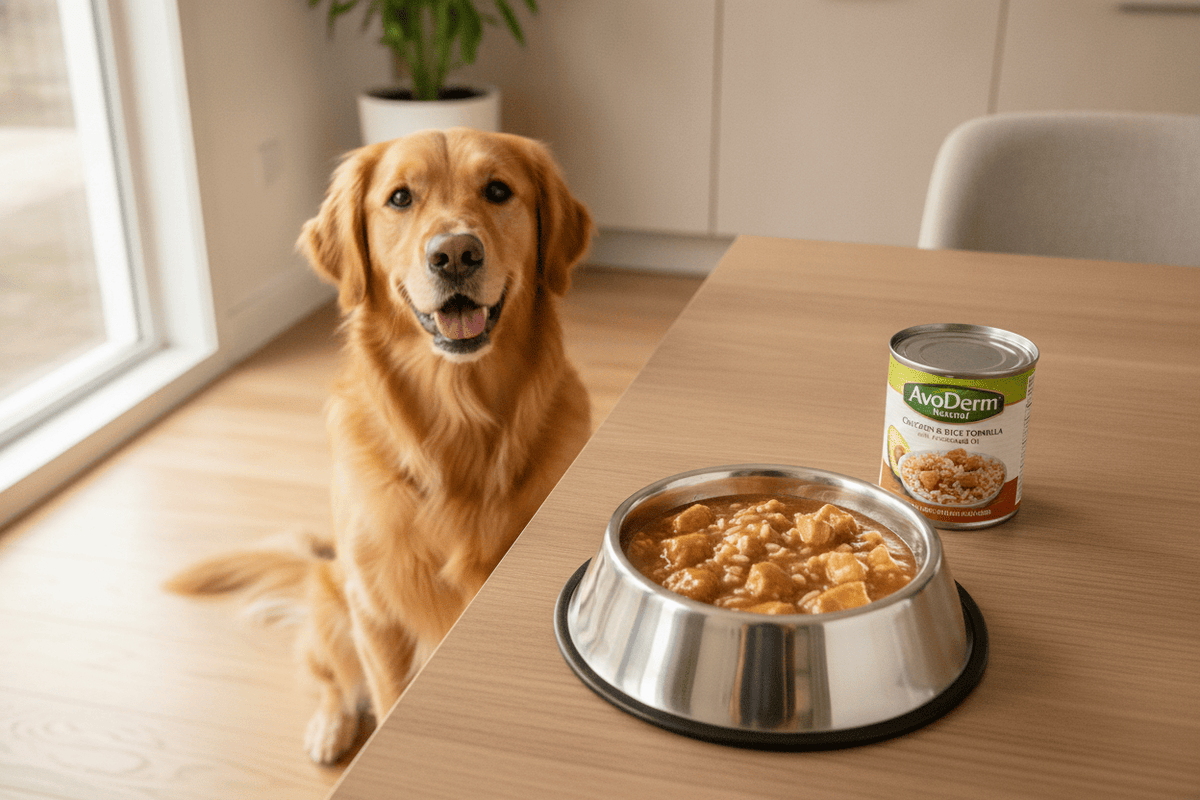
AvoDerm Chicken and Rice: Feed Your Dog the Right Way
Getting Every Bowl Right for Your Dog
Feeding your dog well starts with choosing the right formula, and AvoDerm Chicken and Rice is a trusted option that many pet owners rely on for good reason. But even the best food needs to be served correctly to deliver its full benefits. The right portions, a consistent schedule, and a smooth transition can make a meaningful difference in how your dog feels, looks, and thrives day to day.
This guide is for you if you want to make sure your dog gets the most out of every bowl. Whether you're switching from another brand or just starting out with AvoDerm, we'll walk you through everything you need to know, with warmth, clarity, and your dog's best health in mind.
Why AvoDerm Chicken and Rice Is a Smart Choice for Your Dog
Not all dog foods are created equal, and AvoDerm Chicken and Rice stands out for several reasons. The formula is built around real chicken as the primary protein source, which supports lean muscle development and gives your dog the energy they need to stay active and playful. Brown rice adds a wholesome, easily digestible carbohydrate that helps sustain energy levels throughout the day without causing unnecessary digestive stress.
What makes this formula particularly noteworthy is its commitment to quality ingredients. There are no artificial colors, flavors, or preservatives, which means you're offering your dog a meal that's as clean as it is nutritious. For pet owners who care deeply about what goes into their dog's bowl, that kind of transparency matters.
The Role of Avocado Oil in Supporting Healthy Skin and Coat
One of the most distinctive features of AvoDerm products is the inclusion of avocado oil, and it's more than just a marketing point. Avocado oil is naturally rich in oleic acid and essential fatty acids, both of which play a key role in maintaining healthy skin and a lustrous coat. Dogs that struggle with dryness, itching, or dull fur often benefit noticeably from diets that include high-quality fat sources like this one.
Beyond skin and coat health, avocado oil also supports the absorption of fat-soluble vitamins, helping your dog get more nutritional value from every meal. It's a small ingredient that delivers a big impact, and it's one of the reasons AvoDerm Chicken and Rice has earned a loyal following among pet owners who prioritize whole-body wellness for their dogs.
How to Feed AvoDerm Chicken and Rice the Right Way
Feeding your dog the right amount is just as important as feeding them the right food. Overfeeding, even with a high-quality formula, can lead to weight gain, lethargy, and long-term health issues. Underfeeding, on the other hand, can leave your dog without the energy and nutrients they need to thrive. Getting the balance right starts with understanding your dog's individual needs.
Always check the feeding guidelines printed on the AvoDerm packaging. These recommendations are formulated based on your dog's weight and are a reliable starting point. However, keep in mind that activity level, age, and overall health can all affect how much food your dog actually needs. A highly active young dog may need slightly more than the guide suggests, while a senior dog with a slower metabolism may need a little less.
Portion Sizes and Feeding Frequency Based on Dog Size
Here's a general breakdown to help you get started:
Small dogs (up to 20 lbs): Typically need between one-third and one full can per day, depending on their weight and energy level. Splitting this into two meals, morning and evening, helps maintain stable energy and prevents hunger-driven behavior.
Medium dogs (21 to 50 lbs): Generally require one to two cans per day. Again, dividing meals into two servings supports better digestion and keeps your dog satisfied throughout the day.
Large dogs (51 lbs and above): May need two or more cans daily, adjusted based on their specific weight and activity. Large breeds benefit from consistent meal times to support joint health and metabolism.
A few practical tips to keep in mind: always serve wet food at room temperature rather than straight from the refrigerator, as dogs tend to find it more appealing and easier to digest. Store any unused portions in an airtight container in the fridge and use them within two to three days. Freshness matters, even with premium food.
If you're combining AvoDerm Chicken and Rice wet food with dry kibble, adjust the portions accordingly. A common approach is to replace a portion of the dry food with wet food, rather than adding it on top of a full dry food serving. This helps you manage calorie intake while giving your dog the benefits of both textures.
Transitioning Your Dog to AvoDerm Chicken and Rice Safely
Switching your dog's food too quickly is one of the most common mistakes pet owners make, and it's easy to avoid with a little planning. Even when you're moving to a higher-quality diet, a sudden change can cause digestive upset, including loose stools, gas, and stomach discomfort. A gradual transition gives your dog's digestive system time to adjust and helps you identify any sensitivities along the way.
A Simple 7-Day Transition Plan to Avoid Digestive Upset
This week-by-week approach is gentle, effective, and easy to follow:
Days 1 and 2: Serve 75% of your dog's current food mixed with 25% AvoDerm Chicken and Rice. Keep an eye on their stool consistency and energy levels. Most dogs handle this first step without any issues.
Days 3 and 4: Move to a 50/50 mix of old food and AvoDerm. This is where some dogs with sensitive stomachs may show mild changes in digestion. If you notice anything concerning, slow down the transition by staying at this ratio for an extra day or two.
Days 5 and 6: Shift to 25% old food and 75% AvoDerm Chicken and Rice. At this stage, most dogs are well on their way to adapting, and you may already start to notice improvements in coat shine or energy.
Day 7 and beyond: Serve 100% AvoDerm Chicken and Rice. Your dog's digestive system has had time to adjust, and you can now settle into a consistent feeding routine.
If your dog has a history of food sensitivities or a particularly sensitive stomach, consider extending the transition to 10 or even 14 days. There's no rush, and a slower transition is always better than a faster one that causes discomfort.
During the transition, keep fresh water available at all times. Wet food does provide some moisture, which is great for hydration, but your dog should always have access to clean drinking water throughout the day.
Your Dog Deserves This Level of Care
Feeding your dog AvoDerm Chicken and Rice correctly makes a real difference in their health, energy, and happiness. It's not just about filling the bowl; it's about making intentional choices that support your dog's whole-body wellbeing, from their coat and skin to their digestion and vitality.
With the right portions, a smooth and gradual transition, and consistent feeding habits, you're setting your pup up for success. The effort you put into understanding how to feed them well is a reflection of how much you care, and that care shows up in how your dog looks and feels every single day.
Your dog deserves quality, and you're already on the right path. Keep observing how they respond to each meal, stay consistent with feeding times, and don't hesitate to check in with your vet if you have questions about your dog's specific nutritional needs. You've got this, and so does your pup.

De Talis Us


Dejar un comentario
Este sitio está protegido por hCaptcha y se aplican la Política de privacidad de hCaptcha y los Términos del servicio.