


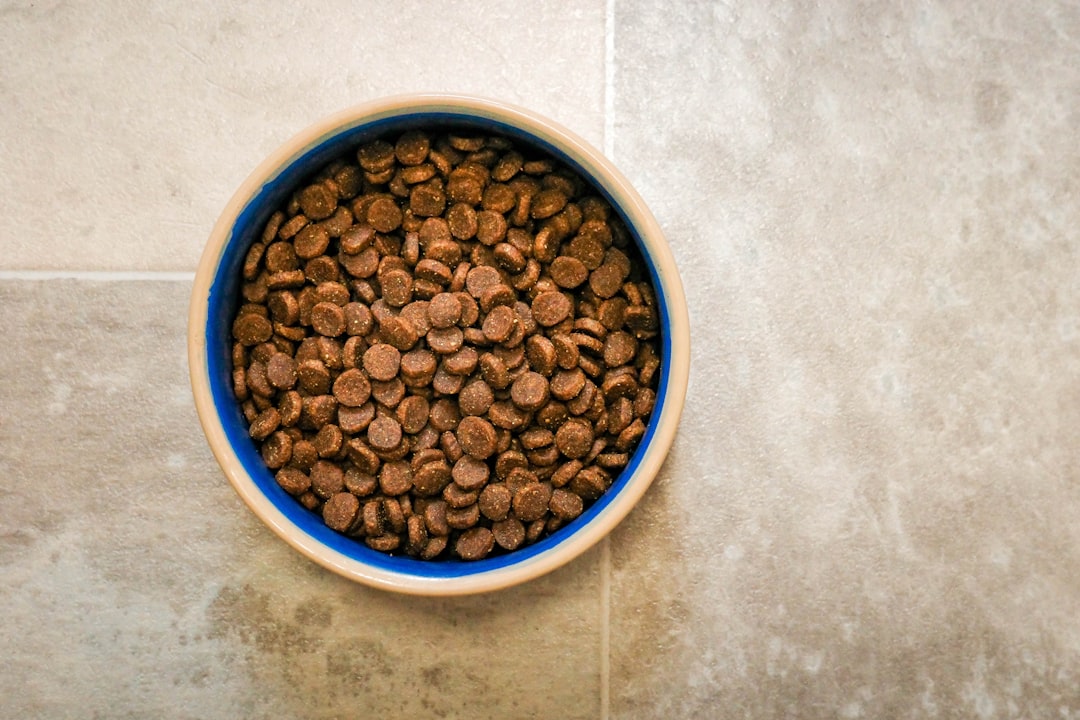
Ancient Grains Dog Food: Optimal Health & Nutrition
As pet parents, we all share a common goal: providing our furry companions with the longest, happiest, and healthiest lives possible. Navigating the aisles of the pet store or scrolling through endless online options can feel overwhelming, especially with ever-changing nutritional trends. However, one dietary shift has been gaining massive traction among veterinarians and pet nutritionists alike: the move toward ancient grains.
If you are researching Ancient Grains Dog Food for Optimal Health and Nutrition, you are on the right track. Gone are the days when all carbohydrates in pet food were viewed negatively. Today, science shows that the right types of whole grains offer incredible benefits. From soothing sensitive stomachs to providing sustained energy, ancient grains dog food is revolutionizing how we feed our pets.
In this comprehensive guide, we will explore everything you need to know about these nutritional powerhouses, how they compare to modern alternatives, and how you can seamlessly incorporate them into your dog’s daily bowl.

What Exactly Are Ancient Grains?
Before we dive into the specific benefits, it is important to understand what sets ancient grains apart. Ancient grains are grains and pseudo-cereals that have remained largely unchanged by selective breeding or genetic modification over the last several thousand years. Unlike modern wheat or corn, which have been heavily hybridized for mass agricultural yield, ancient grains retain their original, robust nutritional profiles.
When considering what foods can dogs eat, many owners mistakenly lump all grains together. However, looking at ancient grains versus refined wheat and corn in pet food reveals a stark contrast. Refined grains are stripped of their bran and germ, leaving behind empty calories that spike blood sugar. Ancient grains, on the other hand, are left intact. They are packed with complex carbohydrates, dietary fiber, high-quality plant protein, and an array of vital micronutrients.
The Grain-Free Debate: A Shift in Veterinary Science
For years, grain-free diets dominated the premium pet food market. Marketed as closer to a dog's "ancestral" diet, these foods replaced grains with legumes (like peas and lentils) or potatoes. However, a recent shift in veterinary science has brought grains back into the spotlight.
Dilated Cardiomyopathy (DCM) and Canine Heart Health
Many pet owners now ask: are ancient grains safer for dogs than grain-free diets? The short answer from the veterinary community is largely "yes." Over the past few years, the FDA has investigated a potential link between grain-free diets and non-hereditary Dilated Cardiomyopathy (DCM), a serious canine heart condition.
So, does ancient grain dog food help prevent heart disease? While grains themselves are not a magic cure, diets containing wholesome grains do not rely on high concentrations of legumes. This is crucial because high legume content is suspected of interfering with a dog's ability to synthesize taurine, an amino acid essential for heart muscle function. This is precisely why veterinarians recommend ancient grains over legumes—they provide excellent carbohydrate nutrition without the suspected risks associated with pulse-heavy grain-free formulas.

A Deep Dive into Specific Ancient Grains
Not all ancient grains serve the same purpose. Depending on your dog's age, activity level, and health status, different grains offer unique, targeted benefits.
Millet and Sorghum: The Digestive Champions
If your dog struggles with occasional loose stools or flatulence, the benefits of millet and sorghum for canine digestion cannot be overstated. Both of these grains are gluten-free and highly digestible. Sorghum contains antioxidants that rival blueberries, while millet is rich in B-vitamins and magnesium. Together, they act as gentle, easily processed energy sources that soothe the gastrointestinal tract.
Quinoa and Amaranth: Fuel for the Active Dog
For working breeds, agility competitors, or simply dogs with boundless energy, protein is paramount. The nutritional profile of quinoa and amaranth for active dogs is exceptional. These are "pseudo-grains" (actually seeds) that boast a complete amino acid profile, meaning they contain all the essential amino acids your dog’s body cannot produce on its own. They support muscle repair, joint health, and structural integrity after heavy exercise.
Teff and Buckwheat: Gut Health and Microbiome Support
Gut health is the foundation of overall immunity. The impact of fiber-rich teff and buckwheat on dog gut health is fascinating. Teff is a tiny grain with a massive concentration of prebiotic fiber, which feeds the beneficial bacteria in your dog's gut. Buckwheat, despite its name, is completely unrelated to wheat and is gluten-free. It provides soluble fiber that aids in healthy bowel movements and helps naturally express anal glands.
Spelt and Barley: Holistic Wellness
When comparing spelt and barley for holistic canine health, both emerge as fantastic sources of trace minerals. Spelt is an ancient cousin to modern wheat but is generally easier to digest and higher in protein. Barley is renowned for its high levels of beta-glucans, a type of soluble fiber known to support the immune system and regulate cholesterol levels in dogs.
Chia and Flaxseed: The Omega Powerhouses
While often categorized as seeds rather than grains, chia and flax are staples in ancient grain recipes. The essential vitamins and minerals found in chia and flaxseed, along with their dense concentration of Omega-3 fatty acids, promote a gleaming coat, reduce inflammatory skin conditions, and support cognitive function.

Stable Energy and Weight Management
One of the greatest advantages of feeding ancient grains is their effect on a dog's blood sugar. Because they are unrefined, they serve as low glycemic index carbohydrates for stable canine energy levels. Instead of a massive spike in blood sugar followed by a lethargic crash—a common side effect of eating refined corn or white rice—ancient grains digest slowly. This slow burn provides a steady stream of energy throughout the day.
This slow-digesting property also plays a massive role of ancient grains in maintaining a healthy canine weight. Obesity is a leading health crisis in modern domestic dogs, leading to joint degradation and diabetes. The high fiber content in grains like oats, barley, and sorghum expands in the stomach, keeping your dog feeling fuller for longer, which reduces begging and overeating.
Furthermore, for dogs with itchy skin or chronic ear infections linked to food allergies, managing food sensitivities with gluten-free ancient grains (like amaranth, buckwheat, and quinoa) is a highly effective dietary strategy. It allows them to get necessary carbs without triggering the allergic responses sometimes associated with modern, highly processed wheat gluten.
Nourishing Our Senior Companions
As dogs age, their metabolism slows down, and their digestive systems can become sluggish or sensitive. Providing optimal nutrition requires a delicate balance.
The best ancient grain ingredients for senior dog nutrition include whole grain oats and quinoa. Oats are incredibly gentle on older stomachs and provide the necessary fiber to prevent constipation, a common issue in senior pets. Quinoa provides easily assimilated protein to help prevent the muscle wasting that often accompanies old age.
Additionally, senior dogs often suffer from dental issues or a diminished sense of smell, making dry kibble unappealing. Mixing a high-quality ancient grain kibble with the best wet dog food for senior dogs—which adds hydration, rich aroma, and softer textures—creates a highly palatable, nutrient-dense meal that older dogs will actually want to eat.

Commercial Diets vs. Homemade Meals
Whether you prefer the convenience of store-bought kibble or the control of home cooking, ancient grains can easily be incorporated into your dog's routine.
Choosing Commercial Options
The commercial pet food industry has responded beautifully to the ancient grains movement. Many reputable, science-backed brands now offer specific lines dedicated to these ingredients. For example, formulas from Purina Pro Plan, Royal Canin, and the hills diet dog food lines have integrated whole, ancient grains to provide balanced, veterinary-approved nutrition. When choosing a commercial food, look for ACHA or WSAVA compliance to ensure the diet meets strict nutritional standards.
Exploring Homemade Dog Food
If you have ever wondered how to make dog food, incorporating ancient grains is an excellent way to start. Homemade diets allow you to control every ingredient, eliminating artificial preservatives and mystery meats.
However, formulating balanced dog food recipes requires careful attention to calcium-to-phosphorus ratios and essential vitamin inclusion. It is always recommended to consult with a board-certified veterinary nutritionist before switching entirely to a homemade diet.
To get you started with a supplemental meal or a tasty topper, here is a simple, dog-approved recipe:
Wholesome Ground Turkey Dog Food Recipe
Ingredients:
- 1 lb lean ground turkey (a fantastic, easily digestible protein)
- 1/2 cup dry quinoa (rinsed thoroughly to remove bitter saponins)
- 1/2 cup pearl barley
- 1 cup chopped carrots and green beans (for vitamins and crunch)
- 1 tablespoon flaxseed oil (added after cooking)
- 2 cups water or low-sodium dog-safe bone broth
Instructions:
- In a large pot, brown the ground turkey over medium heat until fully cooked. Drain any excess fat.
- Add the quinoa, barley, chopped vegetables, and liquid to the pot.
- Bring to a boil, then reduce the heat to a simmer. Cover and cook for 20-25 minutes, or until the grains have absorbed the liquid and are tender.
- Remove from heat and let it cool completely.
- Stir in the flaxseed oil just before serving to preserve the delicate Omega-3 fatty acids.
Note: This recipe is great for supplemental feeding. If used as a primary diet, a canine multivitamin/mineral supplement must be added to ensure completeness.

Reading Labels and Making the Transition
Deciding to switch to an ancient grain diet is the first step; the next is executing it correctly.
Decoding Pet Food Labels
Marketing terminology on pet food packaging can be notoriously deceptive. Identifying high-quality whole grains on pet food labels requires looking past the front-of-bag marketing and reading the ingredient panel directly.
- Look for whole names: Ingredients should be listed as "Whole Grain Sorghum," "Millet," or "Quinoa."
- Avoid splitting: Watch out for "ingredient splitting" (e.g., listing wheat flour, wheat bran, and wheat middlings separately). High-quality foods will feature ancient grains within the top five to seven ingredients, immediately following the primary animal protein sources.
Transitioning Your Dog safely
A sudden change in diet can cause gastrointestinal upset, resulting in vomiting or diarrhea. Knowing how to transition your dog to a whole grain diet ensures a smooth, comfortable process. Follow a standard 7-to-10-day transition schedule:
- Days 1-3: Mix 25% of the new ancient grain food with 75% of the old food.
- Days 4-6: Mix 50% of the new food with 50% of the old food.
- Days 7-8: Mix 75% of the new food with 25% of the old food.
- Days 9-10: Serve 100% of the new ancient grain diet.
Monitor your dog's stool and overall energy levels during this time. If you notice persistent soft stools, slow the transition down, giving their gut microbiome more time to adjust to the new, fiber-rich ingredients.
Conclusion
The evolution of canine nutrition is an ongoing journey, but the return to wholesome, unrefined ingredients is a milestone worth celebrating. Embracing Ancient Grains Dog Food for Optimal Health and Nutrition is more than just a passing trend; it is a return to biologically appropriate, safe, and deeply nourishing feeding practices.
Whether you are looking to protect your dog's heart health, manage their weight with high-quality fiber, or simply provide a steadier source of daily energy, ancient grains like quinoa, millet, sorghum, and oats offer an incredible array of benefits. By learning to read labels, consulting with your veterinarian, and transitioning thoughtfully, you can unlock a healthier, more vibrant life for your furry best friend.

De Talis Us




Dejar un comentario
Este sitio está protegido por hCaptcha y se aplican la Política de privacidad de hCaptcha y los Términos del servicio.